
matt
Tattoo Aftercare Help: The Complete Healing Guide for New Ink
A great tattoo is half the work — the other half is what happens in the days and weeks after you leave the chair. Proper tattoo aftercare determines whether your ink heals crisp and vibrant or scabs, fades, and needs touch-ups. The good news: aftercare isn’t complicated. It just requires the right products, the right timing, and avoiding the handful of mistakes that cause most healing problems.
This guide walks you through every stage of tattoo healing — what to do on day one, what to use during the peeling phase, when to switch products, and how to protect your tattoo for the rest of your life. Each section links to our deeper guides on specific products and problems.
Key Takeaways
- Tattoo healing has four stages across roughly 4 weeks, each needing different care.
- The three essential products: fragrance-free tattoo soap, a healing ointment, and a moisturizing lotion.
- Most healing problems come from too much product, not too little.
- Sun is the #1 long-term enemy of tattoo vibrancy — protect with sunscreen for life.
- For specific healing issues, see our guides on reducing tattoo swelling and arm swelling after a tattoo.
Why Tattoo Aftercare Matters
A fresh tattoo is an open wound. A tattoo needle punctures your skin between 50 and 3,000 times per minute, depositing ink into the dermis (the second layer of skin). Your body treats this exactly like any other injury — it floods the area with fluid, immune cells, and clotting factors to start healing.
How you treat that wound over the next 2 to 4 weeks determines:
- Whether the ink stays locked in the dermis or lifts out with scabs
- How sharp your line work looks once healing finishes
- Whether colors stay vibrant or fade unevenly
- Whether the area scars, gets infected, or develops moisture rash
Good aftercare costs maybe $30 in products and 5 minutes a day. Touch-ups, scar revisions, and infections cost hundreds — and sometimes the original tattoo can’t be fully recovered. It’s worth getting right the first time.
Click here for my favorite all-in-one tattoo aftercare kit
The 4 Stages of Tattoo Healing
Tattoo healing isn’t one continuous process — it’s four distinct stages, each with different needs. Treating a day-12 tattoo like a day-2 tattoo (or vice versa) is the most common aftercare mistake.
| Stage | Days | What’s Happening | What to Use |
|---|---|---|---|
| 1. Oozing & Swelling | Days 1–3 | Plasma weeping, swelling, redness, warmth | Gentle soap + thin ointment |
| 2. Scabbing & Tightness | Days 4–6 | Light scabbing forms, swelling subsides | Soap + ointment or light lotion |
| 3. Peeling & Itching | Days 7–14 | Heavy flaking, intense itch (“snake skin”) | Fragrance-free tattoo lotion |
| 4. Deep Healing | Days 15–30+ | Shiny “milky” look as dermis heals | Daily moisturizer + sunscreen |
Stage 1: The First 72 Hours (Oozing & Swelling)
The first three days are the most critical. Your tattoo is an open wound, your body is in full inflammatory mode, and small mistakes here cause the biggest long-term problems.
Day-One Checklist
- Leave the initial wrap on for whatever time your artist recommends (usually 2–4 hours for plastic, 3–5 days for second-skin bandages like Saniderm).
- Wash hands thoroughly before touching the tattoo — every time, no exceptions.
- Gently wash with lukewarm water and a fragrance-free tattoo-safe soap 2–3 times a day.
- Pat dry with a clean paper towel — never a regular towel, which carries bacteria.
- Apply a thin layer of healing ointment — the tattoo should have a slight sheen, not a greasy coating.
Managing Swelling (It’s Normal)
Swelling is your body’s normal inflammatory response — it’s not a problem on its own. But you can speed up recovery by elevating the area, applying a cold compress over the bandage (never directly on the tattoo), drinking plenty of water, and avoiding alcohol and heavy exercise for 48 hours.
If your tattoo is on an arm and swelling seems excessive, see our complete guide on arm swollen after a tattoo. For full swelling reduction tactics covering every body location, see how to reduce tattoo swelling.
Aquaphor Healing Ointment on Amazon
Stage 2: Days 4–6 (Scabbing & Tightness)
By day 4, the major weeping and swelling should be subsiding. Light scabbing forms over the tattoo as the skin starts to close. The area will feel tight, possibly itchy, and may look slightly darker or duller than it did when fresh — this is normal and temporary.
What to Do
- Continue washing 2–3 times a day with gentle soap
- Switch from heavy ointment to a lighter application — too much during this stage suffocates the new skin
- Start transitioning to a fragrance-free tattoo lotion designed for new tattoos if the area feels less raw
- Avoid soaking in baths, pools, or hot tubs
- Keep wearing loose clothing over the tattoo
What NOT to Do
- Don’t pick at scabs — this pulls ink out with the scab, leaving patchy spots
- Don’t apply too much product — heavy coatings during scabbing trap bacteria
- Don’t go to the gym — sweat carries bacteria and irritates healing skin
Stage 3: Days 7–14 (Peeling & Itching)
This is the phase that surprises most first-timers. Your tattoo will start flaking off in sheets — sometimes ink-colored sheets, which can be alarming until you realize it’s just dead skin that absorbed ink from the surface. The real ink is safely in the dermis below, and it’s not going anywhere.
The itching during this stage can be intense. This is where most healing damage happens, because people scratch — and scratching pulls ink out with the flaking skin.
How to Get Through the Peeling Phase
- Apply fragrance-free tattoo lotion 2–4 times a day to keep skin hydrated
- When it itches, slap the area gently with a flat palm — never scratch with nails
- Apply extra lotion if itching gets intense
- Let dead skin fall off on its own — never peel or pick
- Keep washing daily, but stop using heavy ointment (it’s too rich for this stage)
Stage 4: Days 15–30+ (Deep Healing)
By the third week, the surface of the tattoo looks healed — but underneath, your body is still rebuilding deeper layers of skin. The tattoo may look slightly cloudy or “milky” for several weeks. This is the dermis healing under a thin layer of new skin and is completely normal. The true colors emerge fully by week 4 to 6.
Daily Care During Deep Healing
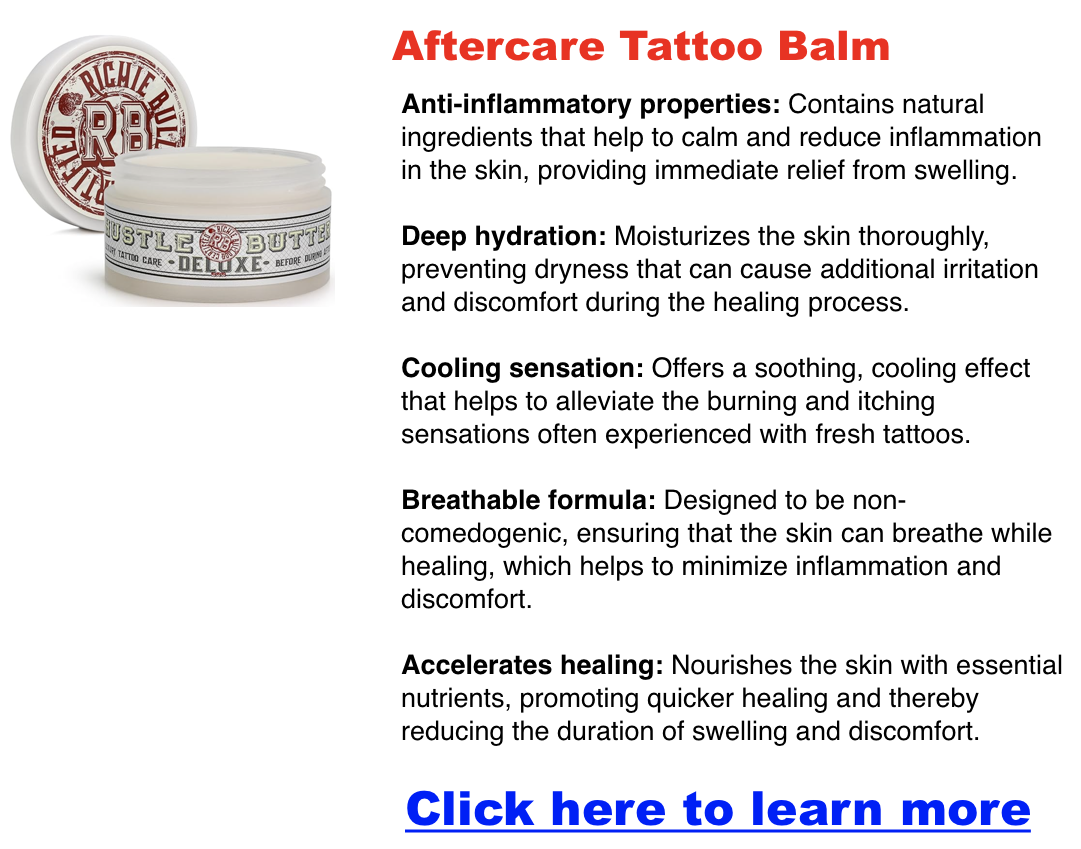
- Apply a daily fragrance-free moisturizer
- Start using a dedicated tattoo-safe sunscreen any time the tattoo will be exposed to sun
- You can now return to normal activities — gym, swimming, baths
- If the tattoo looks dull at this stage, don’t panic — that’s the cloudy-skin phase, not actual fading
The Essential Tattoo Aftercare Product Lineup
You don’t need a 12-product routine. You need three quality items, plus sunscreen for life.
1. Fragrance-Free Antibacterial Soap
The foundation of aftercare. You’ll use this from day one through full healing, two to three times a day. Avoid anything scented, anything labeled “moisturizing” with floral additives, and anything with harsh sulfates. Tattoo Goo’s antimicrobial soap, Dr. Bronner’s unscented baby castile, and Hustle Butter’s tattoo soap are all reliable choices. For full reviews, see our guide to the best soaps for tattoos.
2. Healing Ointment (Days 1–5)
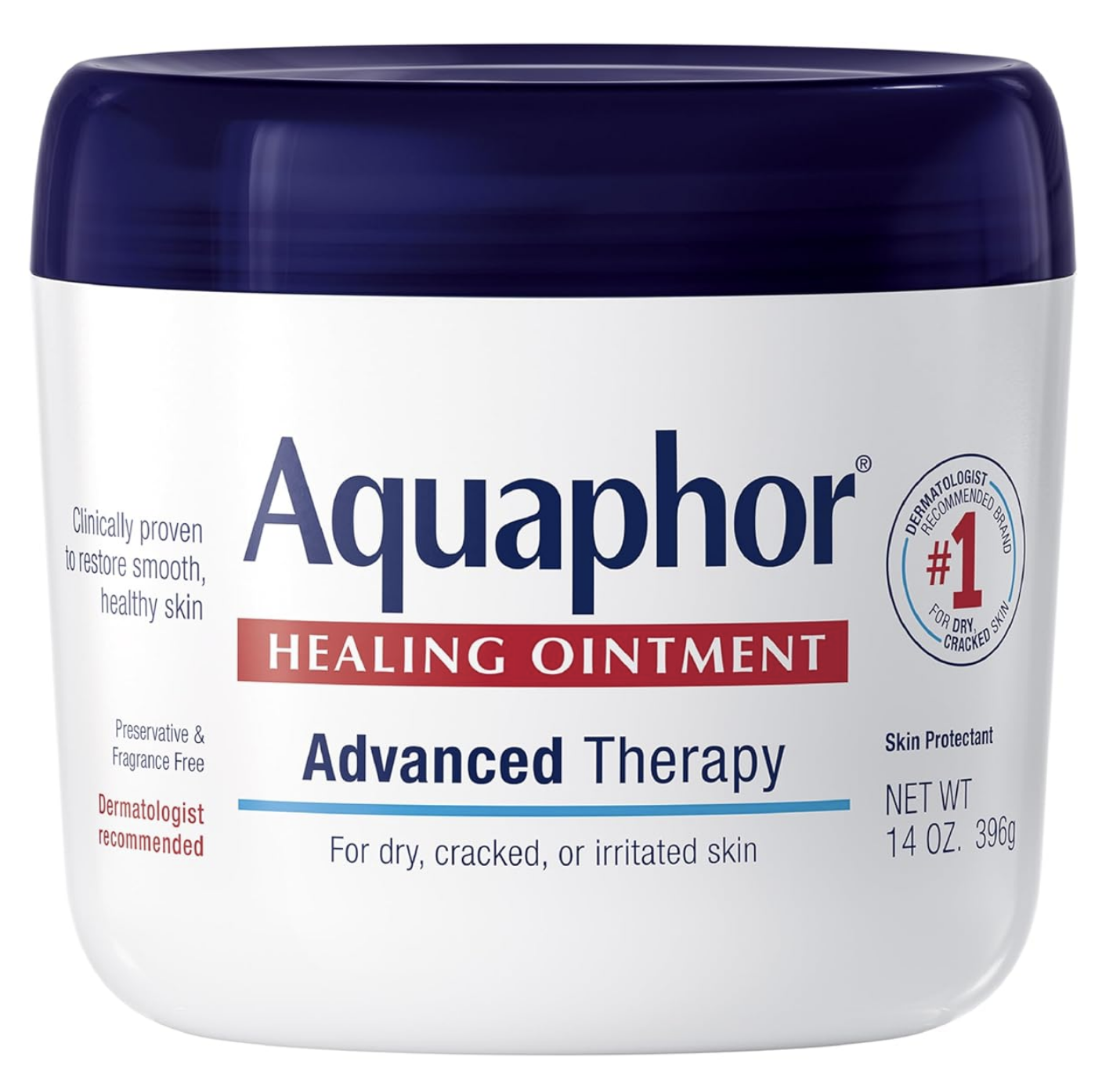
For the first few days, an ointment provides occlusive protection while letting the tattoo breathe. Aquaphor is the gold standard, used by most tattoo artists. Apply in a thin layer — the most common mistake is using too much.
3. Fragrance-Free Tattoo Lotion (Days 5+)
Once scabbing starts, switch from ointment to a lighter lotion. The lotion you choose matters: cheap drugstore options often contain fragrances or harsh ingredients that fade tattoos. See our deep dives on the best lotions for new tattoos and the best overall tattoo lotions for older and healed ink.
4. Tattoo-Safe Sunscreen (For Life)
Sun is the #1 cause of tattoo fading. UV rays break down pigment over years, turning sharp black lines into blurry grey and bright colors into muddy washes. A mineral SPF 30+ applied any time your tattoo will be exposed makes a dramatic difference over the lifetime of your ink. See our breakdown of the best sunscreens for tattoos.
What About Numbing Cream?
Numbing cream isn’t strictly aftercare — it’s used before a tattoo session to dramatically reduce pain during the appointment. But it’s worth understanding for two reasons: less pain means less body trauma response, which often means less swelling and faster healing afterward; and for long sessions or sensitive areas, it makes the difference between sitting still and flinching (which affects line quality).
Lidocaine-based creams applied 60–90 minutes before your appointment can numb the area for 2–4 hours. See our full breakdown of the best tattoo numbing creams for product recommendations and proper use.
Common Aftercare Mistakes That Wreck Tattoos
- Using too much ointment. A thick coating suffocates the skin and traps bacteria. Thin layer only.
- Picking at scabs. The fastest way to ruin a tattoo before it even finishes healing.
- Scratching during the itchy phase. Same outcome as picking scabs. Slap or moisturize instead.
- Soaking in baths, pools, or hot tubs. Submersion in standing water is an infection risk for at least 2 weeks.
- Sun exposure on a fresh tattoo. The single worst thing for a healing tattoo. Cover it completely until fully healed.
- Skipping sunscreen long-term. The reason your friend’s 5-year-old tattoo looks like a 20-year-old tattoo.
- Using scented lotions. Fragrances and dyes can cause irritation, contact dermatitis, and pigment fading.
- Working out too soon. Sweat and friction during the first week dramatically raise infection risk.
When to Worry: Signs of Infection or Reaction
Most tattoos heal without any drama. But these signs mean it’s time to call a doctor, not just your tattoo artist:
- Swelling that increases after day 3 instead of decreasing
- Red streaks spreading away from the tattoo
- Yellow or green pus (clear plasma in the first 48 hours is normal)
- Fever, chills, or feeling unwell
- Hot, hard, painful lumps under the skin
- Foul odor from the tattoo
- Hives or a bumpy rash spreading beyond the tattoo (possible ink allergy)
For more on how professionals minimize these risks from the start, see our guide on how professional tattoo artists prevent infections.
Long-Term Tattoo Care: Years Down the Road
Aftercare doesn’t stop when the peeling does. The tattoos that still look sharp 10 years later belong to people who do four simple things consistently:
- Sunscreen every time. SPF 30+ minimum, mineral preferred, every exposure.
- Moisturize daily. Hydrated skin makes ink look richer and slows the appearance of fading.
- Avoid harsh exfoliants over tattooed skin. Gentle exfoliation is fine; aggressive scrubs slowly thin the skin over years.
- Schedule touch-ups when needed. Most reputable artists offer free or low-cost touch-ups within the first few months.
If you’re already looking at older ink wondering what happened, see why your tattoo looks faded and our practical guide on how to brighten a faded tattoo.
Frequently Asked Questions
How long does a tattoo take to heal?
The surface of a tattoo heals in about 2–3 weeks, but full healing of the deeper skin layers takes 4–6 weeks. Larger or more detailed tattoos can take longer.
What’s the best thing to put on a new tattoo?
For the first few days, a thin layer of fragrance-free healing ointment like Aquaphor. After scabbing starts (around day 5), switch to a fragrance-free tattoo lotion. Skip anything scented, anything heavily moisturizing, and anything containing petroleum jelly as the main ingredient long-term.
Can I shower with a new tattoo?
Yes — short, lukewarm showers are fine starting day one. Don’t let the shower stream hit the tattoo directly, don’t scrub it, and don’t soak it. Baths, pools, and hot tubs are off-limits for at least 2 weeks.
How often should I moisturize a new tattoo?
2–4 times a day during active healing (weeks 1–3). Apply just enough to give the skin a slight sheen — not a greasy coating. After full healing, once a day is plenty.
Is it normal for a tattoo to look faded while healing?
Yes. During the peeling phase and for 1–2 weeks after, your tattoo may look cloudy, milky, or duller than it did fresh. This is dead skin and healing dermis on top of the actual ink. The true colors emerge fully by week 4 to 6.
Can I work out after getting a tattoo?
Skip the gym for at least 48 hours, longer for larger pieces. Sweat carries bacteria and increases infection risk, while friction and stretching can damage healing skin and disrupt ink retention.
When can I go in the sun with a new tattoo?
Keep a fresh tattoo completely out of direct sun for at least 2–4 weeks. After that, always use SPF 30+ sunscreen on the area — for life. Sun is the leading cause of tattoo fading.
Do I need special tattoo products or will regular lotion work?
Plain fragrance-free lotions can work in a pinch, but dedicated tattoo lotions are formulated without ingredients that cause fading (alcohol, fragrances, harsh preservatives) and often include healing-supportive ingredients like shea butter, panthenol, or vitamin E. The difference shows up over years, not weeks.
The Bottom Line
Good tattoo aftercare is simple: keep it clean with the right soap, keep it moisturized with the right product for each stage, protect it from the sun forever, and don’t pick or scratch. Do those four things and your tattoo will heal sharp, vibrant, and last decades looking like the day you got it.
For specific situations, dive deeper into our guides on reducing tattoo swelling, the best soaps for tattoos, the best lotions for new ink, and tattoo-safe sunscreens.
How Professional Tattoo Artists Prevent Infections (and What You Should Do If One Happens)
Getting a tattoo is a controlled skin injury — thousands of needle punctures depositing ink into the second layer of skin. Professional tattoo artists treat it exactly that way: with medical-grade hygiene, sterile single-use tools, and clear aftercare protocols. The infection rate at a licensed studio is extremely low, and that’s not by accident.
Understanding what professionals actually do behind the scenes helps you spot a reputable studio, know what normal healing looks like, and catch the warning signs of infection before they become serious. This guide walks through the full hygiene playbook, the aftercare standards pros teach their clients, and exactly what to do if something seems wrong.
Key Takeaways
- Professional studios follow bloodborne pathogen protocols similar to healthcare settings.
- Every needle, ink cap, and razor should be single-use and disposable.
- Most “tattoo infections” are actually aftercare failures, not studio failures.
- Spreading redness, pus, fever, or worsening pain after day 3 = see a doctor.
- For the full healing protocol, see our complete tattoo aftercare guide.
The 5 Infection-Prevention Standards Every Pro Follows
1. Sterile Tools and Single-Use Equipment
Reputable tattoo studios use:
- Single-use needles and cartridges — opened from sealed packaging in front of the client
- Single-use ink caps — never refilled or reused
- Disposable razors — one per client, discarded after
- Sterilized grips and tubes — autoclaved if not disposable
- Sealed sterilization pouches with date-of-sterilization indicators
What you should see: the artist tearing open sealed needle packages in front of you. If they’re pulling needles from an open container or reusing anything that touches skin, leave.
2. Clean, Controlled Workspaces
Before each session, pros disinfect:
- Tattoo chairs, beds, and armrests
- All work surfaces and tray tops
- Machines, power cables, and clip cords
- Door handles and high-touch surfaces between clients
They also use barrier film and plastic covers on equipment that can’t be sterilized — squeeze bottles, machine grips, lamp arms. These covers get replaced for every client to prevent cross-contamination.
3. Gloves and Hand Hygiene
Professional artists follow medical-grade hand hygiene:
- Wash hands thoroughly before setting up
- Wash again immediately before gloving up
- Wear fresh disposable gloves for each client
- Change gloves any time they touch a non-sterile surface — answering the phone, adjusting a lamp, anything off the sterile field
- Re-glove without contaminating the new pair
This mirrors operating-room standards. If you see an artist tattooing with gloves they wore while answering the door, that’s a problem.
4. Skin Preparation
Before the needle ever touches you, the artist:
- Shaves the area with a fresh disposable razor
- Cleans the skin with medical-grade antiseptic (usually green soap, isopropyl alcohol, or chlorhexidine)
- Uses single-use wipes — no shared cloths or sponges
- Applies stencil with single-use stencil transfer solution
This removes surface bacteria, dead skin, and oils that could be pushed into the dermis with the needle.
Check antiseptic skin prep on Amazon
5. Safe Ink Practices
Ink handling is where amateur tattooists get sloppy and pros stay strict:
- Ink is poured into single-use plastic caps for each session
- Unused ink is never returned to the bottle — once exposed to air and skin contact, it’s contaminated
- Ink caps are never shared between clients
- Ink bottles themselves are kept sealed when not in use
- Only reputable, FDA-aware ink brands are used (some unregulated inks have caused outbreaks)
What Pros Tell Clients About Aftercare
Studio hygiene gets you through the appointment, but most tattoo infections actually happen at home during healing. That’s why every reputable artist sends clients out with clear aftercare instructions. The basics they teach:
Cleaning
- Wash 2–3 times per day with lukewarm water and a mild, fragrance-free tattoo-safe soap
- Use clean hands only — no washcloths, loofahs, or sponges
- Pat dry with a clean paper towel, never a regular towel
Moisturizing
- Apply a thin layer of fragrance-free tattoo aftercare balm or lotion
- Don’t over-apply — too much product suffocates skin and traps bacteria
- Switch from heavy ointment to a lighter tattoo lotion for new tattoos after the first few days
Check tattoo aftercare balm on Amazon
What to Avoid
- No swimming, hot tubs, or soaking baths for at least 2 weeks
- No direct sun exposure on the fresh tattoo
- No tight or dirty clothing rubbing the area
- No picking, peeling, or scratching scabs
- No gym workouts for at least 48 hours
- No alcohol for the first 24 hours (it thins blood and dehydrates skin)
How to Tell Normal Healing from a Tattoo Infection
The most common reason people panic about their tattoo is mistaking normal healing signs for infection signs. Here’s the side-by-side:
| Normal Healing | Possible Infection |
|---|---|
| Mild redness within the tattoo outline | Redness spreading beyond the tattoo |
| Light swelling that decreases after day 2 | Swelling that worsens after day 3 |
| Clear or slightly yellow plasma weeping (first 48h) | Thick yellow or green pus |
| Warmth at the tattoo site | Hot, hard tissue around the tattoo |
| Itching and flaking (days 7–14) | Severe itching with hives or bumpy rash |
| Pain decreasing day by day | Pain that gets worse instead of better |
| No odor or mild “wound” smell | Foul, rotten, or sour odor |
| No systemic symptoms | Fever, chills, body aches |
If you’re trying to figure out whether your swelling is normal, see our dedicated guides on reducing tattoo swelling and specifically on arm swelling after a tattoo — both walk you through the timeline of what normal looks like.
What Professional Tattoo Artists Watch For
Experienced artists train their clients to flag any of these symptoms immediately:
- Spreading redness — especially red streaks moving away from the tattoo (this can indicate cellulitis)
- Yellow or green pus oozing from the tattoo
- Increasing pain after day 2–3 when it should be decreasing
- Hot, hard swelling that feels different from normal puffiness
- Bad odor from the tattoo
- Fever or chills — your body fighting a systemic infection
- Numbness or tingling in the surrounding area
- Red, raised, itchy bumps all over the tattoo (possible ink allergy)
These aren’t normal healing signs. They need medical attention — not just a text to your artist.
What to Do If You Suspect a Tattoo Infection
If you’re seeing warning signs, here’s the step-by-step:
- Gently clean the area with mild fragrance-free soap and lukewarm water.
- Do NOT use alcohol, hydrogen peroxide, or essential oils. These damage healing tissue and can make things worse.
- Apply a very thin layer of fragrance-free antibacterial ointment like bacitracin or a tattoo-specific aftercare balm.
- Keep the area clean, dry, and uncovered — no occlusive bandages, no plastic wrap.
- Avoid gyms, pools, and friction until evaluated.
- Take a clear photo in good lighting to track whether it’s getting better or worse.
- Contact your tattoo artist — they’ve seen hundreds of healing tattoos and can usually tell quickly if something’s off.
- See a doctor if you have pus, spreading redness, fever, or worsening pain.
Don’t try to wait it out. Most true bacterial infections require oral antibiotics — and waiting risks the infection spreading deeper into tissue, causing scarring, ink loss, or in rare cases sepsis. Early treatment is fast, cheap, and saves the tattoo.
What Separates a Pro Studio from a Risky One
If you’re choosing a studio, look for these green flags during your consultation or walk-through:
- Current bloodborne pathogen certification displayed on the wall
- State or county health department permits visible
- Visible autoclave with sterilization log books
- Sealed needle packages opened in front of the client
- Single-use everything — ink caps, razors, gloves, wipes
- Sharps containers for needle disposal
- Clean, organized stations with barrier film visible
- Clear written aftercare instructions given before you leave
Red flags that should make you walk:
- Working from a home, garage, or unlicensed space
- Needles pulled from an open container or not opened in front of you
- No gloves, or gloves worn for non-tattoo activities
- Reused ink caps or ink being poured back into bottles
- Visibly dirty surfaces or equipment
- No questions about your health history or medications
- Resistance to questions about hygiene practices
Why Professional Standards Matter
Licensed tattoo artists follow bloodborne pathogen protocols similar to healthcare settings. They take certification courses, pass inspections, and renew licenses periodically. This regulatory layer dramatically reduces infection risk and protects clients from diseases like hepatitis B, hepatitis C, and HIV (which are transmissible via contaminated tattoo equipment, though extremely rare in licensed settings).
Unlicensed, home, or “scratcher” tattooing has a much higher rate of:
- Bacterial skin infections (Staph, MRSA, Strep)
- Severe scarring from poor needle depth control
- Ink loss and patchy healing
- Bloodborne disease transmission
- Long-term complications including granulomas and chronic inflammation
Choosing a licensed professional studio isn’t just about art quality — it’s a health decision.
Frequently Asked Questions
How common are tattoo infections?
Tattoo infections in licensed professional studios are uncommon — estimates range from 0.5% to 6% of tattoos developing some form of infection, with the vast majority being mild and resolved with aftercare. Most infections originate from improper home aftercare, not the tattoo session itself.
What does an infected tattoo look like?
An infected tattoo typically shows spreading redness beyond the tattoo outline, yellow or green pus, worsening pain after day 3, hot or hard swelling, foul odor, and may be accompanied by fever or chills. Clear plasma weeping in the first 48 hours is normal — thick colored discharge is not.
How long after a tattoo can an infection appear?
Most bacterial infections show symptoms within 2 to 7 days of the tattoo. Allergic reactions to ink can appear within hours or develop over weeks. Mycobacterial infections from contaminated ink can take weeks to appear and present as bumpy red rashes.
Can I treat a tattoo infection at home?
Very mild irritation can sometimes be managed with thorough cleaning, fragrance-free antibacterial ointment, and good aftercare. But true bacterial infections almost always require oral antibiotics prescribed by a doctor. Waiting it out risks deeper tissue damage, scarring, and ink loss.
Should I go to the doctor or my tattoo artist for a suspected infection?
Start with both. Your tattoo artist has seen hundreds of healing tattoos and can quickly tell you if something looks abnormal. But only a doctor can prescribe antibiotics if needed. If you see pus, spreading redness, or have fever, skip straight to the doctor.
Can a tattoo infection ruin my tattoo permanently?
It can, if untreated. Severe infections cause scarring, ink loss, and uneven healing that often requires touch-ups or cover-ups. Caught early and treated with antibiotics, most tattoos heal with little to no visible damage.
What’s the difference between an infection and an allergic reaction?
Infections typically center on the tattoo with spreading redness, pus, and worsening pain. Allergic reactions usually appear as a bumpy, itchy rash — often concentrated around specific ink colors (red and yellow most commonly) — without pus or fever. Both need medical attention.
The Bottom Line
Professional tattoo artists prevent infections through sterile single-use equipment, clean controlled workspaces, medical-grade hand hygiene, proper skin preparation, safe ink handling, and clear aftercare education. As a client, your job is to choose a licensed studio, follow aftercare exactly, watch for warning signs, and act quickly if something seems wrong.
For the full healing playbook covering every stage of tattoo recovery, see our complete tattoo aftercare guide, our breakdown of tattoo swelling and how to manage it, and the best soaps, lotions, and sunscreens the pros recommend. Early prevention, proper care, and fast action when something feels off — that’s the formula for a tattoo that heals cleanly and lasts a lifetime.
Birth Flowers Chart by Month
Use our birth flowers chart to figure out what month is to what flower(s).
-
January – Carnation & Snowdrop (love, devotion, purity, hope)
-
February – Violet & Primrose (faithfulness, humility, young love)
-
March – Daffodil (new beginnings, prosperity, rebirth)
-
April – Daisy & Sweet Pea (innocence, purity, blissful pleasure)
-
May – Lily of the Valley & Hawthorn (sweetness, humility, hope, happiness)
-
June – Rose & Honeysuckle (love, passion, devotion, bonds of affection)
-
July – Larkspur & Water Lily (positivity, dignity, purity of heart)
-
August – Gladiolus & Poppy (strength, integrity, remembrance, imagination)
-
September – Aster & Morning Glory (wisdom, faith, enduring love)
-
October – Marigold & Cosmos (warmth, creativity, peace, harmony)
-
November – Chrysanthemum (loyalty, friendship, joy, abundance)
-
December – Narcissus & Holly (good wishes, self-esteem, protection, cheer)
Aurora Borealis Tattoo
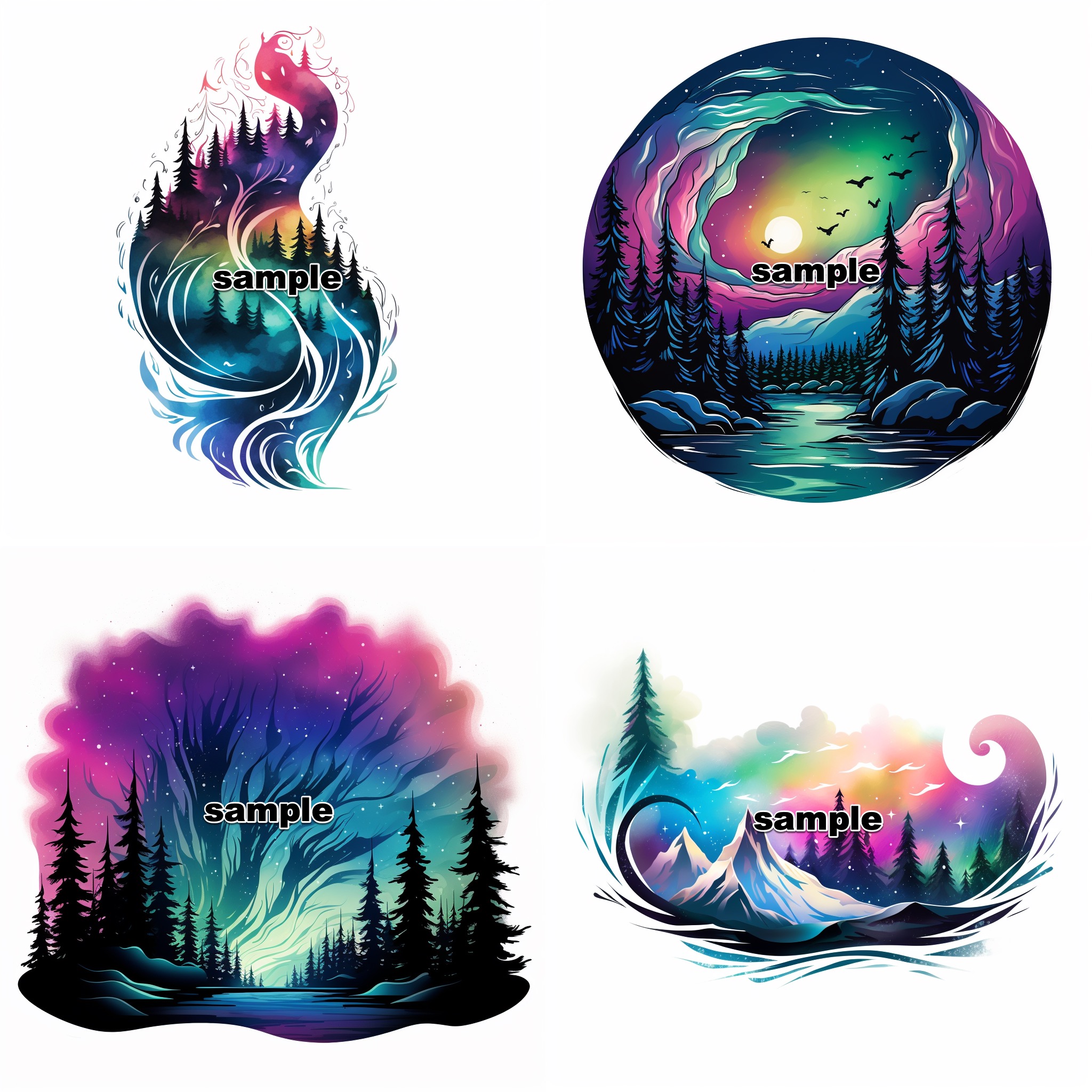
Download This Aurora Borealis Tattoo
The aurora borealis, nature’s dazzling light show, has captivated imaginations for centuries. It’s no wonder that many people choose to translate this celestial wonder into beautiful and meaningful tattoos. If you’re considering an aurora borealis tattoo, let’s dive into the symbolism behind these designs and explore the incredible ways they can be brought to life on the skin.
Aurora Borealis Tattoo Meaning
Across various cultures, the aurora borealis holds deep significance:
- Norse Mythology: The Vikings believed the auroras were reflections from the armor of the Valkyries, powerful female warriors who guided fallen heroes to Valhalla.
- Native American Folklore: Some tribes saw the northern lights as the spirits of ancestors dancing in the sky, while others associated them with positive omens.
- Modern Symbolism: Today, the aurora borealis often symbolizes dreams, the magic of nature, a yearning for adventure, and a sense of spiritual connection.
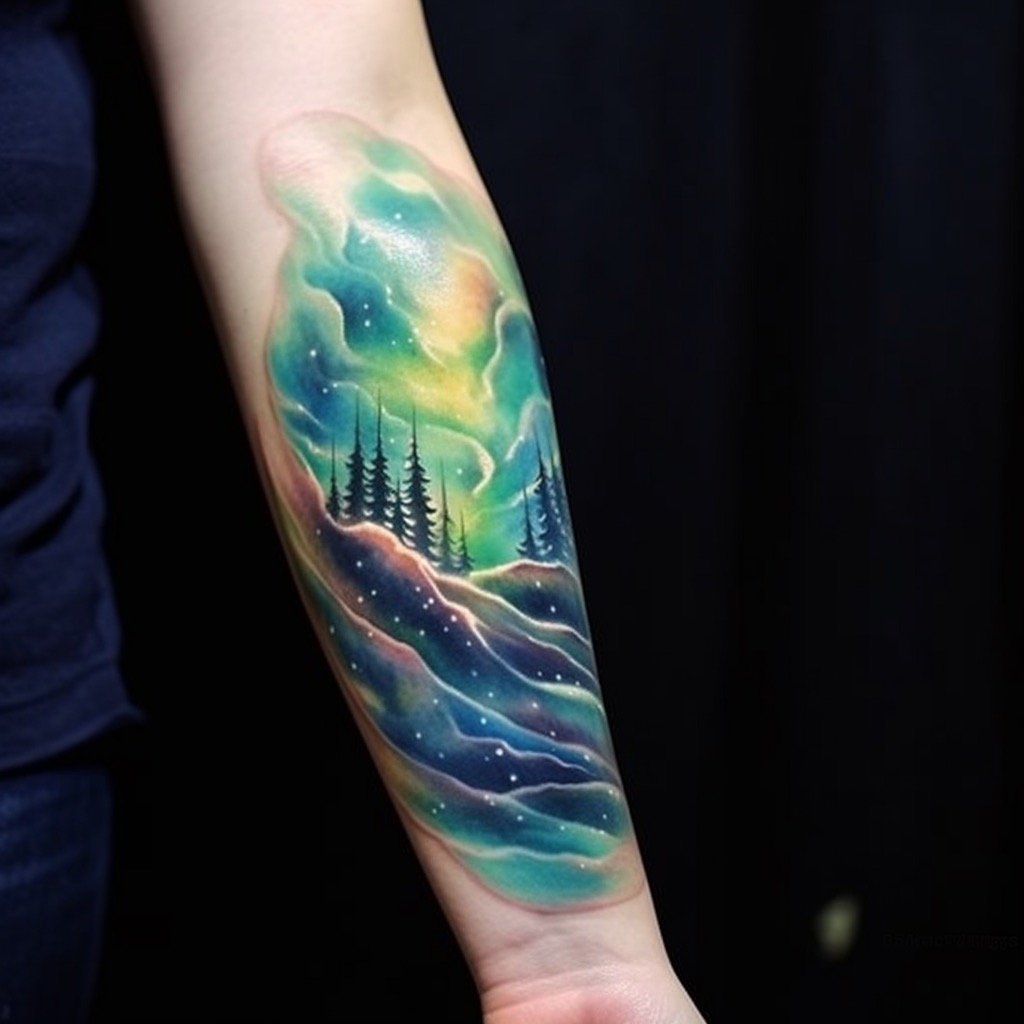
Aurora Borealis Tattoo Ideas
| Tattoo Design | Description | Placement |
|---|---|---|
| Galaxy Tattoo | A swirling mass of stars, planets, and cosmic dust to celebrate the vastness and mysteries of space. | Forearm, Upper Arm |
| Meteor Shower | A series of small, falling star-like shapes to signify fleeting moments of beauty and opportunities. | Wrist, Collarbone |
| Moon Phases | A line or curve of moons in various phases, representing cycles, growth, and change. | Spine, Forearm |
| Sunburst | A radiant sun with rays extending outward, symbolizing life, energy, and positivity. | Chest, Upper Arm |
| Forest Silhouette | A row of trees or an entire forest scene, often accompanied by a sky feature like stars or a moon. | Calf, Upper Arm |
| Ocean Waves | Stylized waves that represent the ocean, symbolizing depth, power, and emotional currents. | Forearm, Ankle |
| Mountain Range | Peaks and valleys to signify life’s ups and downs, or a personal affinity for mountainous landscapes. | Forearm, Back |
| Star Constellation | A constellation, which can be personalized to a zodiac sign or a favorite constellation. | Wrist, Ankle |
| Rainbow | A colorful arc, often simplified, that represents diversity, hope, and the calm after the storm. | Wrist, Behind the Ear |
| Fire and Ice | A juxtaposition of flames and icicles or snowflakes, symbolizing the balance of opposites. | Forearm, Upper Arm |
| Earth Elements | A combination of earth, water, air, and fire, usually represented in a geometric shape. | Upper Arm, Back |
| Feather with Birds | A feather disintegrating into a flock of birds, symbolizing freedom, transformation, and new beginnings. | Forearm, Side of Torso |
| Compass Rose | A traditional or stylized compass, often symbolizing guidance, adventure, and a sense of direction. | Forearm, Calf |
| Celestial Bodies | A mix of sun, moon, and stars to represent the broader universe and one’s place in it. | Back, Upper Arm |
| Clouds and Lightning | Dramatic clouds with bolts of lightning, symbolizing the power and unpredictability of nature. | Upper Arm, Chest |
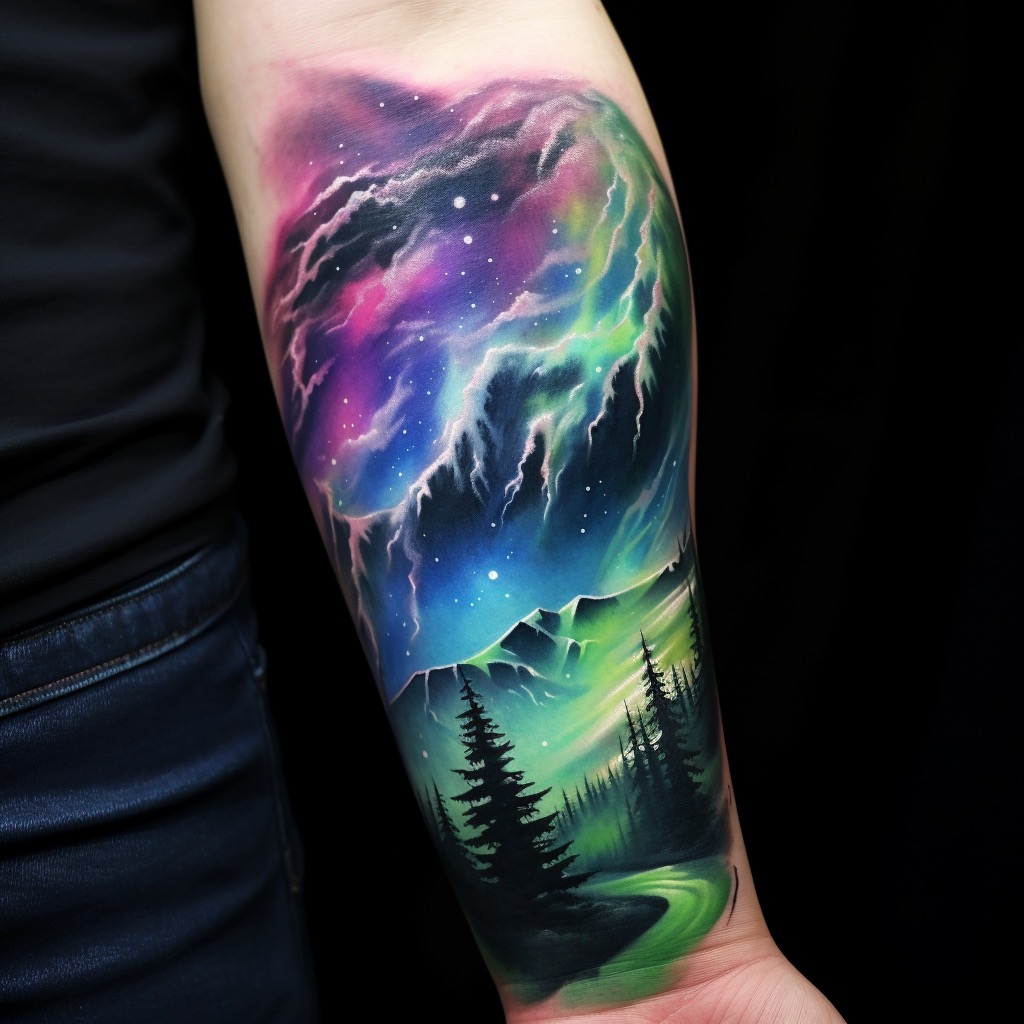
Placements and Styles for Aurora Borealis Tattoos
Popular placements include the arm, back, or thigh, where the design can flow gracefully.
- Forearm: Great for elongated designs that follow the natural lines of your arm.
- Upper Back: Offers a wide canvas for larger and more detailed aurora scenes.
- Wrist or Ankle: Smaller, stylized aurora tattoos can be a beautiful accent.
How Printable Tattoo Stencils Work (and How to Make Your Own from Any Design)
Ever see a tattoo design you love online and wonder how artists transfer it perfectly onto skin? That clean, sharp outline doesn’t happen by freehand sketching — it comes from tattoo stencils.
A stencil is the bridge between a design on paper (or screen) and the final ink on your skin. And the good news? With today’s downloadable stencil files, anyone can experiment with tattoo ideas — from professional artists to first-time hobbyists.
In this guide, you’ll learn exactly how printable tattoo stencils work, what supplies you’ll need, and how to turn any design into a stencil yourself.
What is a Tattoo Stencil?
A tattoo stencil is essentially a blueprint for a tattoo. It transfers an outline of your chosen design onto skin so that an artist can follow it with precision.
Instead of guessing or sketching freehand, the stencil ensures:
-
Clean lines that stay consistent.
-
Symmetry and proportion across complex designs.
-
Fewer mistakes during the tattoo process.
Think of it as the “connect the dots” stage before the actual ink begins.
How Printable Tattoo Stencils Work
Here’s the basic flow:
-
Print or trace your design onto stencil transfer paper.
-
Prepare the skin (clean and shave).
-
Apply stencil gel to make the transfer stick.
-
Press stencil onto skin → peel away → the design outline remains.
-
Tattoo or trace over the stencil lines.
If you’re not ready for a permanent tattoo, printable stencils can also be used for temporary body art (henna, airbrush, body paint, or even just trying out placement before committing).
Supplies You’ll Need
For DIY / Home Practice
-
Printer + plain paper (for tracing)
-
Stencil transfer paper (carbon/hectograph paper)
-
Pen or pencil for tracing
-
Stencil transfer gel (or deodorant stick as a DIY substitute)
For Professional Use
-
Thermal stencil printer (prints designs directly onto transfer paper)
-
Spirit or hectograph transfer paper
-
Professional stencil gel (Stencil Stuff, Electrum, etc.)
-
Skin prep supplies (gloves, alcohol wipes, razors)
👉 Quick Tip: The bare minimum setup is: printer + stencil paper + transfer gel. Everything else just makes the process faster and cleaner.
Click here for my favorite tattoo transfer machine
How to Make a Tattoo Stencil from Any Design
Follow this step-by-step process to turn artwork into a tattoo stencil:
Step 1: Pick or Create Your Design
-
Choose digital art, clipart, or even a hand-drawn sketch.
-
Keep it black and white with clear outlines. (Full-color images don’t transfer well.)
Step 2: Convert to Stencil-Ready Artwork
-
Use free software (GIMP, Canva, Photoshop, Procreate) to adjust brightness and contrast.
-
Goal: bold, simple outlines — no shading, no color.
Step 3: Print or Trace
-
If you have a thermal stencil printer → print directly onto transfer paper.
-
If not → print on regular paper, place over stencil paper, and trace with a pen to press the design through the carbon.
Step 4: Prep the Skin
-
Clean and shave the area.
-
Apply a thin layer of stencil gel.
Step 5: Transfer & Apply
-
Place stencil on skin (ink-side down).
-
Press firmly and peel away carefully.
-
You now have a clear outline on the skin, ready to tattoo or decorate.
Pros and Cons of Making Stencils Yourself
Pros
-
Free or very low cost.
-
Unlimited creative freedom.
-
Good for practice and testing placement.
Cons
-
Time-consuming.
-
Requires extra supplies (transfer paper, gel).
-
Lines may not be as crisp as professional stencil files.
Shortcut: Ready-Made Printable Stencils
If you’d rather skip the hassle of tracing, editing, and resizing, printable tattoo stencil bundles are the fastest option.
With ready-made designs, you get:
-
Instant download access.
-
Professionally prepared, high-contrast outlines.
-
A wide variety of styles (tribal, floral, animals, lettering, mandalas, and more).
-
Unlimited printing — try them at different sizes and placements.

Beginner Stencils
FAQs
Can I use regular printer paper?
Yes, but you’ll need to trace it onto stencil paper before applying to skin.
Do I need a special printer?
No — but a thermal stencil printer saves time if you plan to do this often.
Can I resize the stencil?
Yes, simply adjust print settings or resize the file in software before printing.
How long does the stencil last on skin?
With proper stencil gel, it can last several hours — long enough for tattooing.
Conclusion
Tattoo stencils are the secret to clean, professional designs — whether you’re a seasoned artist or just experimenting at home. By following the steps above, you can turn any design into a stencil with the right paper and transfer gel.
But if you want to skip the learning curve, ready-made printable stencils are a quick shortcut. They’re affordable, easy to use, and give you instant access to tattoo designs you can try today.
Arm Swollen After a Tattoo? What You Need to Know
Waking up the morning after a fresh tattoo and finding your arm puffy, tight, and sore can be alarming — but in most cases it’s completely normal. Arm swelling after a tattoo is your immune system doing exactly what it’s supposed to do, and it usually peaks within 24 to 48 hours before going down on its own.
This guide walks you through what causes arm swelling specifically (it’s different from leg or back swelling), how to bring it down fast, and the warning signs that mean it’s time to call your tattoo artist — or a doctor.
Key Takeaways
- Mild to moderate arm swelling is normal for the first 24–72 hours after a tattoo.
- Arms swell more than torso tattoos because of joint movement, thinner skin, and gravity.
- Elevation, cold compresses, hydration, and rest are the fastest fixes.
- See a doctor if swelling worsens after day 3, spreads, oozes pus, or comes with fever.
- For the full healing playbook, see our complete guide to reducing tattoo swelling.
Is It Normal for Your Arm to Swell After a Tattoo?
Yes — arm swelling after a tattoo is completely normal and expected in the first 24 to 72 hours. A tattoo machine punctures your skin thousands of times per minute, and your body responds by sending blood, fluid, and immune cells to the area to start healing. That rush of fluid is what you’re seeing and feeling as swelling.
Arms tend to show more swelling than tattoos on the chest, back, or shoulder for three reasons:
- Joint movement: Every time you bend your elbow or wrist, you’re flexing tattooed skin and disrupting fresh healing.
- Gravity: When your arm hangs at your side, fluid pools downward toward the hand and forearm.
- Thinner skin: The inner bicep, wrist, and forearm have less fatty tissue, so swelling shows up more dramatically.
Why Is My Arm Swollen After a Tattoo? 4 Common Causes
1. Normal Inflammatory Response
This accounts for 90% of arm swelling. Your immune system floods the area with healing cells, and that fluid causes visible puffiness. It’s a sign healing is working, not a problem.
2. Tattoo Size and Location on the Arm
A small wrist tattoo will produce different swelling than a full sleeve. Tattoos near joints (elbow, wrist, shoulder) almost always swell more than those on the upper arm or bicep, because the skin is thinner and the area moves constantly.
| Arm Tattoo Location | Typical Swelling Duration | Notes |
|---|---|---|
| Upper arm / bicep / shoulder | 24–48 hours | Least swelling; thicker skin, less movement |
| Forearm | 2–4 days | Moderate; gravity affects fluid drainage |
| Inner bicep / inner arm | 3–5 days | Thin, sensitive skin swells more |
| Elbow / inner elbow ditch | 3–7 days | Constant flexing slows healing |
| Wrist | 3–7 days | Joint movement + visible fluid pooling |
| Hand / fingers | 2–5 days | Heavy swelling but resolves quickly |
| Full sleeve | 5–10 days | Large surface area means more inflammation |
3. Ink Sensitivity or Mild Allergic Reaction
Some people are mildly sensitive to certain tattoo pigments — most commonly red, yellow, and other bright colors that contain different chemical bases than black ink. This usually shows up as swelling concentrated around specific colored sections plus itching. A true ink allergy (which is rare) causes hives, severe swelling beyond the tattoo, or a bumpy rash that needs medical attention.
4. Aftercare Mistakes That Make Swelling Worse
- Sleeping with your arm pinned under your body
- Tight sleeves rubbing the area
- Applying too thick a layer of ointment (suffocates the skin)
- Drinking alcohol or working out in the first 24 hours
- Using scented soaps or lotions
- Touching the tattoo with unwashed hands
Click here for my favorite way to reduce arm swelling and discomfort
How to Reduce Arm Swelling After a Tattoo: 7 Steps
1. Elevate Your Arm Above Your Heart
This is the single most effective trick for arm swelling — and most people skip it. When you sit or lie down, prop your arm up on pillows so it sits higher than your chest. Gravity drains fluid away from the area instead of letting it pool. Do this whenever you’re not actively using the arm, especially overnight.
2. Apply a Cold Compress (Never Direct Ice)
Wrap an ice pack or bag of frozen peas in a clean, thin cloth and rest it gently on top of the bandage or wrap for 10–15 minutes at a time. Repeat every couple of hours during the first day. Never put ice directly on bare tattooed skin — it can damage healing tissue and trap moisture against the wound.
3. Take Ibuprofen (If Your Doctor Approves)
Ibuprofen or naproxen are anti-inflammatories — they treat swelling at its source, not just the pain. Most healthy adults can take them safely starting the day after the tattoo. Skip aspirin in the first 24 hours because it thins the blood and can make your tattoo weep more plasma.
4. Wear Loose, Soft Sleeves
Tight clothing, watches, and bracelets compress swelling and rub against healing skin. Switch to loose t-shirts or roll your sleeve well above the tattoo for the first few days.
5. Clean Gently With a Mild Soap
Two or three times a day, wash the tattoo with lukewarm water and a fragrance-free tattoo-safe antibacterial soap. Use clean hands only — no washcloths or loofahs. Pat dry with a clean paper towel.
6. Apply a Thin Layer of Healing Ointment
The biggest mistake people make is using too much product. A thick coating traps bacteria against the wound and slows healing. Apply just enough fragrance-free tattoo ointment or lotion to give the skin a slight sheen — never a greasy film.
Aquaphor Healing Ointment on Amazon
7. Drink Water, Sleep Well, and Skip the Gym
Hydration helps your body process inflammation. Sleep is when your immune system does most of its work. And exercise raises body temperature, increases blood flow, and makes swelling worse — skip the gym for at least 48 hours.
How Long Will My Arm Stay Swollen?
For most people, arm swelling peaks at 24–48 hours and is largely gone by day 5 to 7. Sleeve tattoos and pieces near the elbow or wrist may stay puffy for up to 10 days. The general timeline:
| Day | What to Expect |
|---|---|
| Day 1 | Maximum swelling, redness, warmth, plasma weeping |
| Day 2 | Peak swelling continues; tattoo may look “raised” |
| Day 3 | Swelling begins to subside; tightness sets in |
| Days 4–6 | Most swelling gone; light scabbing begins |
| Day 7 | Arm should feel close to normal; peeling phase starts |
| Days 8–14 | Heavy peeling and itching — don’t scratch |
When to Worry: Signs Your Swollen Arm Needs Medical Attention
Most swelling is harmless. But these symptoms aren’t — call a doctor (not just your tattoo artist) if you see any of them:
- Swelling that increases after day 3 instead of going down
- Red streaks spreading away from the tattoo toward your shoulder or hand
- Yellow or green pus (clear plasma in the first 48 hours is normal)
- Fever, chills, or feeling generally unwell
- Hot, hard, or painful lumps under the skin
- Foul odor coming from the tattoo
- Hives or rash that spread beyond the tattooed area (possible ink allergy)
- Numbness or tingling in the fingers (rare, but indicates nerve or circulation issues)
Reputable tattoo studios follow strict sanitation standards, but infections can still happen — particularly when aftercare goes wrong at home. For more on how professionals prevent issues from the start, see our guide on how professional tattoo artists prevent infections.
Can I Take Medication for Tattoo Arm Swelling?
Yes. Ibuprofen (Advil, Motrin) and naproxen (Aleve) both safely reduce tattoo swelling and the pain that comes with it, because they’re anti-inflammatories that work at the source. Follow the label dosing for adults.
Avoid aspirin for the first 24 hours — it’s a blood thinner and can cause your tattoo to bleed and weep more plasma than necessary.
If you’re on prescription blood thinners, have a clotting condition, or are pregnant, talk to your doctor before taking any anti-inflammatory.
Long-Term Care After the Swelling Goes Down
Once the initial healing is done — usually around day 14 — focus shifts to keeping your tattoo vibrant. The two biggest factors are sun protection and moisturization. UV rays break down ink pigment and cause the muddy, faded look that ages tattoos badly, so use a dedicated tattoo-safe sunscreen any time the arm will be exposed.
If you notice your tattoo looking dull months later, see our guides on why tattoos look faded and how to brighten a faded tattoo.
Frequently Asked Questions
Is it normal for your arm to swell up after a tattoo?
Yes. Arm swelling is one of the most common — and most normal — responses to a new tattoo. Expect peak swelling at 24–48 hours, with most of it gone by day 5 to 7.
How long should my arm be swollen after a tattoo?
Most arm tattoos are noticeably swollen for 2 to 4 days, with full resolution by day 7. Sleeve tattoos or pieces near the elbow and wrist can stay puffy for up to 10 days.
What does an infected tattoo on the arm look like?
An infected tattoo typically shows swelling that worsens after day 3, red streaks spreading away from the tattoo, yellow or green pus, a foul smell, and may be accompanied by fever. If you see any of these, see a doctor — not just your tattoo artist.
Can I take ibuprofen for tattoo arm swelling?
Yes, ibuprofen and naproxen are generally safe and effective for reducing tattoo swelling and pain. Avoid aspirin for the first 24 hours because it thins the blood.
Why is my arm so swollen after just a small tattoo?
Even small tattoos can produce significant swelling if they’re near a joint (wrist, elbow), on thin-skinned areas (inner arm), or if you slept with the arm in a position that restricted drainage. The swelling-to-size ratio is mostly about location, not tattoo size.
Should I elevate my arm after a tattoo?
Yes — elevation is the most underrated swelling fix. Prop your arm above heart level on pillows whenever you’re resting, especially overnight. Gravity will drain fluid away from the area.
Can I sleep on my tattooed arm?
Avoid sleeping directly on the tattoo for at least the first week. Pressure pinches the skin, restricts blood flow, and can transfer ointment or fluid onto sheets that then rub back against the tattoo. Sleep on the opposite side with the arm elevated.
What if my arm is still swollen after a week?
Mild residual puffiness at one week isn’t unusual for sleeves or joint-area tattoos. But if it’s clearly still swollen, warm to the touch, or worsening, contact your tattoo artist and consider seeing a doctor — this is past the normal window.
The Bottom Line
A swollen arm after a tattoo is almost always normal — your body’s healing response in action. Elevate it, ice it, keep it clean, take ibuprofen if needed, and resist the urge to mess with it. Most arms are back to normal within a week.
If something feels off — worsening pain, spreading redness, pus, fever, or numbness — trust that instinct and see a doctor. For the full healing playbook covering every body location and all stages of the healing process, see our complete guide to reducing tattoo swelling and discomfort.
Tattoo Aftercare: How to Reduce Tattoo Swelling & Discomfort
A new tattoo is exciting, but the work doesn’t end when you leave the chair. Swelling, redness, and tenderness around a fresh tattoo are completely normal — your body treats the area like a wound and rushes fluid and white blood cells to it. How you handle that swelling in the first 48 hours can make the difference between a crisp, vibrant tattoo and one that scabs, fades, or gets infected.
This guide covers exactly how long tattoo swelling should last, how to reduce it quickly, what products actually help, and the warning signs that mean you should call your artist or doctor.
Key Takeaways
- Most tattoo swelling lasts 24–72 hours; arm and leg tattoos can stay puffy for up to a week.
- Ice (wrapped in a clean cloth), elevation, and rest are the fastest ways to bring swelling down.
- Use a thin layer of fragrance-free healing ointment — not a thick coating.
- See a doctor if swelling worsens after day 3, spreads, oozes pus, or comes with fever.
How Long Does Tattoo Swelling Last?
Tattoo swelling typically lasts 24 to 72 hours, with most of the puffiness gone within 3 days. Larger tattoos and those on the arms, legs, hands, or feet can stay swollen for up to a week because of gravity, movement, and thinner skin in those areas.
Here’s a quick reference for what to expect by location:
| Tattoo Location / Size | Typical Swelling Duration |
|---|---|
| Small tattoo, low-movement area (shoulder, upper back) | 24–48 hours |
| Arm tattoo (especially near elbow or wrist) | 3–7 days |
| Leg, foot, or ankle tattoo | 3–7+ days (gravity makes it worse) |
| Hand or finger tattoo | 2–5 days |
| Large back, chest, or sleeve piece | 3–7 days |
| Face or neck tattoo | 2–4 days (often very visible) |
If your tattoo is still getting more swollen after day 3 — instead of less — that’s a red flag for infection, which we cover further down.
Click here for my favorite way to reduce swelling and discomfort
Why Do Tattoos Swell in the First Place?
A tattoo machine punctures your skin thousands of times per minute to deposit ink into the dermis. Your immune system reads this as trauma and responds with inflammation — increased blood flow, fluid, and immune cells rush to the area. That’s swelling. It’s actually part of healing, not a problem on its own.
Swelling gets worse when the area is:
- Below heart level for long periods (legs, feet)
- Rubbed by clothing, shoes, or sheets
- Exposed to heat, sun, or moisture
- Touched with unwashed hands
- Treated with the wrong products (heavy petroleum, scented lotions, alcohol)
How to Reduce Tattoo Swelling Fast: 7 Steps
1. Ice the Area (But Never Directly)
Wrap an ice pack or bag of frozen peas in a clean, thin cloth and apply it over the bandage or healing wrap for 10–15 minutes at a time, several times in the first 24 hours. Never put ice directly on a fresh tattoo — it can damage the skin and trap moisture against the wound.
2. Elevate the Tattoo Above Your Heart
This is the single most underrated tip for leg, foot, and hand tattoos. Prop the limb up on pillows while you rest or sleep. Elevation lets gravity drain fluid away from the area instead of pooling in it.
3. Take an Anti-Inflammatory (If Your Artist Approves)
Ibuprofen or naproxen can help reduce both swelling and pain. Avoid aspirin in the first 24 hours, since it thins the blood and can cause your tattoo to weep more plasma. Always check with your doctor if you take other medications.
4. Wash Gently With a Mild, Fragrance-Free Soap
Two or three times a day, wash the tattoo with lukewarm water and a gentle antibacterial soap made for tattoos. Use clean hands — no washcloths, loofahs, or scrubbing. Pat dry with a clean paper towel.
5. Apply a Thin Layer of Healing Ointment
The mistake most people make is slathering on too much. A thick layer suffocates the skin, traps bacteria, and can clog pores around the tattoo. Apply just enough to give the tattoo a slight sheen — never a greasy coating.
Aquaphor Healing Ointment on Amazon
After the first 3–5 days, switch from ointment to a fragrance-free tattoo lotion to keep the skin hydrated as it peels and flakes.
6. Rest — Don’t Work Out or Drink Alcohol
Heavy exercise raises body temperature, increases blood flow, and makes swelling worse. Alcohol thins the blood and dehydrates the skin. Skip both for at least 48 hours, and longer for large pieces.
7. Drink Water and Sleep on a Clean Sheet
Hydration helps your body process inflammation. Clean bedding prevents bacteria from getting near the open wound, which is the most common cause of preventable infection.
Wrap vs. Ointment: How to Cover a Fresh Tattoo
Plastic Wrap (Cling Film)
Your artist will usually send you home with the tattoo wrapped in plastic. Leave it on for the first 2–4 hours — long enough to protect against airborne bacteria and friction from your clothes on the ride home.
- Change every 2–3 hours if your artist recommends keeping it wrapped for the first day.
- Always wash hands first and use fresh wrap each time.
- Don’t sleep in plastic wrap overnight — it traps moisture and breeds bacteria.
Second-Skin / Saniderm-Style Bandages
Many modern artists use a clear adhesive bandage that stays on for 3–5 days. These are excellent for managing swelling and protecting the tattoo, but follow your artist’s specific instructions — if fluid pools heavily under the bandage, change it.
Dry Healing (Open Air)
Once the initial wrap comes off, most aftercare moves to a “thin ointment + open air” approach. The tattoo needs oxygen to heal. Avoid rewrapping unless your artist specifically tells you to.
Tattoo Healing Stages: What’s Normal vs. What’s Not
| Stage | What You’ll See | Is It Normal? |
|---|---|---|
| Days 1–3 | Swelling, redness, weeping plasma, soreness, warmth | ✅ Normal |
| Days 4–6 | Less swelling, light scabbing, tightness, mild itching | ✅ Normal |
| Days 7–14 | Heavy peeling and flaking (“snake skin”), intense itch | ✅ Normal — don’t scratch or pick |
| Days 15–30 | Shiny, slightly cloudy “milky” look as deeper layers heal | ✅ Normal |
| Any day | Spreading redness, pus, fever, foul smell, worsening pain | ❌ See a doctor |
The itching phase around week two is where most tattoos get damaged. Picking or scratching can pull out scabs along with the ink, leaving patchy spots that need touch-ups. If it itches, slap the area gently or apply a thin layer of lotion — never scratch.
Signs of Tattoo Infection (When Swelling Is a Problem)
Most swelling is harmless. But call a doctor — not just your tattoo artist — if you see any of these:
- Swelling that increases after day 3 instead of decreasing
- Red streaks spreading away from the tattoo
- Yellow or green pus (clear plasma is normal in the first 48 hours)
- Fever, chills, or feeling generally unwell
- Hot, hard, or painful lumps under the skin
- Foul odor from the tattoo
- Severe itching with a bumpy rash — could be an ink allergy
Tattoo infections are uncommon when aftercare is done right, but they can become serious quickly. Don’t wait it out.
How to Prevent Tattoo Swelling Before You Even Get Inked
- Sleep well the night before — a rested immune system handles inflammation better.
- Eat a real meal before your appointment; low blood sugar makes everything worse.
- Skip alcohol and aspirin for 24 hours beforehand — both thin your blood.
- Hydrate. Well-hydrated skin takes ink better and swells less.
- Wear loose clothing that won’t rub the fresh tattoo on the way home.
Long-Term Care: Keeping Your Tattoo Sharp After Swelling Goes Down
Once the initial healing is done, the work of keeping your tattoo vibrant begins. Sun is the single biggest enemy of healed ink — UV rays break down pigment and cause the muddy, faded look that ages tattoos badly. Use a dedicated tattoo-safe sunscreen every time the tattoo will be exposed to sunlight, and a daily fragrance-free moisturizer to keep the skin hydrated.
For more on what causes ink to dull and how to fight it, see our guides on the best lotions for new tattoos and the best antibacterial tattoo soaps.
Frequently Asked Questions
Is it normal for a new tattoo to swell?
Yes. Swelling is part of your body’s normal inflammatory response to the thousands of needle punctures involved in tattooing. Mild to moderate swelling for 24–72 hours is completely expected.
How long does swelling last on an arm tattoo?
Arm tattoos typically stay swollen for 3 to 7 days, especially near the elbow, wrist, or inner bicep where the skin is thinner and movement is constant.
Why is my leg so swollen after getting a tattoo?
Leg tattoos swell more than upper-body tattoos because gravity pulls fluid down into the leg. Elevate your leg above heart level whenever you’re sitting or lying down, and the swelling will resolve much faster.
Can I take ibuprofen for tattoo swelling?
Yes, ibuprofen and naproxen are generally safe and effective for reducing tattoo swelling and pain. Avoid aspirin in the first 24 hours because it thins the blood and can cause your tattoo to bleed more plasma.
Should I keep ice on my new tattoo?
Use ice wrapped in a clean cloth over the bandage for 10–15 minutes at a time, several times a day during the first 24 hours. Never apply ice directly to bare tattooed skin.
When should I worry about tattoo swelling?
Be concerned if swelling increases after day 3, spreads beyond the tattoo, comes with fever, pus, red streaks, or a bad smell. These are signs of infection and require a doctor — not just your tattoo artist.
Does swelling affect how a tattoo looks long term?
Mild swelling won’t affect the final look. Severe swelling, scratching, picking, or infection can cause patchy healing, color loss, and the need for touch-ups. Most reputable artists offer a free touch-up within a few months of the original session.
Can I work out with a swollen new tattoo?
No. Skip the gym for at least 48 hours — longer for larger pieces. Sweat, heat, friction, and increased blood flow all make swelling worse and raise infection risk.
The Bottom Line
Tattoo swelling is normal, temporary, and very manageable. Ice it, elevate it, keep it clean, use a thin layer of fragrance-free ointment, and resist the urge to mess with it. Most swelling is gone within 72 hours, and once it is, you can shift focus to keeping your new ink vibrant for the long haul.
If something feels wrong — worsening pain, spreading redness, pus, or fever — trust that instinct and see a doctor. Done right, your tattoo will heal cleanly and look as sharp on year ten as it did the day you got it.
Tattoo Aftercare Products & How They Fit Into Caring for Your Tattoo
Proper aftercare is crucial not only for preserving the appearance of your tattoo but also for ensuring a smooth and safe healing process. In this guide, we’ll walk you through the essential steps of tattoo aftercare, dive into the healing process, discuss long-term maintenance, and explore the role of numbing creams both before and after getting tattooed.
Tattoo Aftercare Products
| Tattoo Aftercare | Description | |
|---|---|---|
| Tattoo Numbing Creams | Helps reduce pain sensitivity before and during the tattooing process. | Learn More |
| Tattoo Soaps | Gentle cleansing agents designed to clean the tattooed area without causing irritation. | Learn More |
| Tattoo Ointments | Specialized products to promote healing and prevent infection in the early days after getting tattooed. | Learn More |
| Tattoo Lotions | Lightweight hydrating solutions that keep the tattooed skin soft and can aid in the healing process. | Learn More |
| Tattoo Moisturizers | Deep hydration products that maintain the tattoo’s vibrancy and assist in skin health over the long term. | Learn More |
| Tattoo Sunscreen | Protects the tattoo from harmful UV rays, preventing fading and maintaining ink integrity. | Learn More |
| Tattoo Brighteners | Helps the tattoo ink stay vibrant, or to revitalize ink from fading. | Learn More |
Before the Tattoo: Preparation and Pain Management
Pain Management with Numbing Creams: Opting for a numbing cream can significantly reduce discomfort during tattooing. Look for creams with lidocaine, which is effective and safe for topical use. Choosing a product specifically designed for tattoos is crucial, as some numbing creams can affect skin texture or ink absorption. Consult with your tattoo artist before application, as they might have recommendations or requirements.
Immediate Aftercare
Choosing the Right Cleanser: Keeping the area clean is paramount after getting your tattoo. Select a gentle, fragrance-free soap that won’t irritate your skin or disrupt healing. Tattoos are sensitive to harsh chemicals, so opting for soaps with natural ingredients and a neutral pH is best.
Applying Ointment: It is recommended to apply a thin layer of ointment during the first few days after getting a tattoo to ensure proper healing. Don’t settle for just any product; make sure to use only those that are specifically formulated for tattoo aftercare. These products should contain panthenol or essential vitamins like Vitamin E, which have been proven to effectively soothe and repair the skin. However, it is imperative that you avoid using heavy or greasy ointments, as they can clog your pores and significantly hinder the healing process. Remember, taking these precautions will help you achieve the best possible results for your new tattoo.
The Healing Process
Moisturizing Your Tattoo: Keeping the area moisturized is key as your tattoo heals. Choose a fragrance-free and dye-free lotion to minimize the risk of irritation. Lotions that contain natural moisturizing ingredients, such as cocoa butter, shea butter, or even coconut oil, can be particularly beneficial. However, ensure the product is lightweight enough not to suffocate the tattoo.
Long-Term Tattoo Care
Protecting Your Tattoo from the Sun: Once healed, your tattoo needs protection from the sun’s UV rays to prevent fading. Select a broad-spectrum sunscreen that is at least SPF 30. Look for products that are water-resistant and offer both UVA and UVB protection. Consider sunscreens formulated for sensitive skin to avoid irritation.
Maintaining Tattoo Vibrancy: For long-term care, continue to moisturize regularly. Antioxidants like Vitamin C and E can help protect the skin and maintain the tattoo’s brightness. Additionally, products that support skin elasticity, such as those with hyaluronic acid, can keep the tattooed area fresh.
Common Issues and Solutions
Be aware of signs of infection, such as excessive redness, swelling, warmth, or pus. If you notice any of these symptoms, consult a healthcare professional immediately. For minor irritations, ensure you’re not allergic to any ingredients in your aftercare products by patch testing them on a small area before applying them to your tattoo.
Conclusion
The key to a beautifully healed tattoo lies in diligent aftercare and carefully selecting aftercare products. By choosing the right soaps, ointments, lotions, and sunscreens, you ensure not just the health of your tattoo, but also its longevity and vibrancy. Remember, a tattoo is for life—investing time and care in its aftercare is essential to keeping your artwork looking its best for years to come.
How To Brighten a Tattoo
The vibrancy of a tattoo can fade over time, leaving many in search of ways to restore their ink to its former glory. Whether it’s due to sun exposure, skin aging, or other environmental factors, the quest for brightness is universal among tattoo enthusiasts. This guide is your definitive resource for reviving and maintaining the vibrancy of your tattoos, offering evidence-backed techniques and actionable steps for every stage of tattoo care.
Imagine looking down at a piece of art that you’ve proudly worn for years, only to notice it’s not as vivid as it once was. Frustrating, isn’t it? Tattoos can fade for various reasons, including UV radiation’s impact on ink pigments and the body’s natural aging process. But fear not, as this comprehensive guide promises to unveil the most effective methods for brightening your tattoo, ensuring it remains as lively and significant as the day you got it.
How To Brighten a Tattoo
Click here for my favorite tattoo brightener
Proper Sun & UV Protection
Protecting your ink from UV rays is crucial, and this means more than just slathering on sunscreen. Opt for a broad-spectrum SPF of 30 or higher, specifically designed for tattooed skin. Consider wearing UV-protective clothing when out in the sun for extended periods, and reapply sunscreen every two hours if you’re spending time outdoors.
Hydrated Skin
Moisturized skin means a more vibrant tattoo. Keep your skin hydrated is using products rich in hyaluronic acid and ceramides, which lock in moisture and enhance skin health. Apply a fragrance-free, tattoo-safe moisturizer daily to ensure your skin and tattoo stay hydrated.
Healthy Lifestyle
Your skin reflects what you put into your body. A diet rich in antioxidants with omega-3 fatty acids can protect your skin from damage and keep your tattoos looking fresh. Regular exercise improves circulation, which helps maintain skin health, while avoiding smoking can prevent the premature aging and fading of tattoos.
Regular gentle washing with antimicrobial or fragrance-free soap helps remove dirt, excess oil, and bacteria without stripping away protective natural oils or irritating the skin. Pat the tattoo dry with a clean, microfiber or soft towel, followed by the application of a suitable, non-comedogenic moisturizer, can keep the area hydrated and support the skin’s natural barrier. Remember, a clean tattoo not only looks better but is a crucial step in safeguarding your investment and your health, keeping your skin canvas bright and your ink as striking as the day you got it.
Targeted Brightening Methods
Professional Touch-up
Sometimes, the best way to brighten a tattoo is to go back to the professional who inked you. Touch-ups can refresh faded lines and colors, making your tattoo pop once again. Look for artists who specialize in rejuvenating old tattoos, and discuss your expectations and concerns to ensure the best outcome.
Color Boosting Lotions
Color boosting lotions are formulated to enhance the appearance of tattoos by providing essential moisture and nutrients that help maintain ink integrity. Look for lotions containing vitamins A and C, which can improve skin texture and tattoo brightness. Always patch test new products to ensure it doesn’t irritate your skin.
Exfoliation
Gentle exfoliation can remove dead skin cells that dull your tattoo’s appearance. Opt for a chemical exfoliant like lactic acid that is gentle on the skin, or a soft, non-abrasive scrub specifically designed for tattooed skin.
At-Home Remedies
While natural remedies like lemon juice and essential oils are often touted for brightening tattoos, it’s important to approach these methods with caution. They can cause irritation and further fading. Always consult with a dermatologist or tattoo artist before trying home remedies.
Debunking Myths and Preventing Further Fading
Many myths surround tattoo care, including the use of harsh chemicals for brightening. Stick to proven methods and products specifically designed for tattooed skin. Additionally, be mindful of other fading culprits, such as tight clothing and harsh skincare ingredients. Opt for gentle, fragrance-free products to keep your tattoo looking its best.
When Brightening Isn’t Enough
In cases where tattoos are significantly faded or the ink has spread too much, professional options like laser treatments or cover-ups may be the best solution. Consult with experienced professionals who can offer tailored advice for your situation.
Conclusion
Brightening a tattoo requires a combination of professional treatments, proper skincare, and a healthy lifestyle. By following the comprehensive advice outlined in this guide, you can ensure your tattoos remain vibrant and meaningful for years to come. Remember, consistency is key to long-term tattoo care. To make it easier, refer to our quick reference chart summarizing the methods discussed, complete with pros and cons, to find the best care routine for your ink.
American Traditional Tattoo Style
Why This Tattoo Style Never Goes Out of Style
There’s something undeniably magnetic about American Traditional tattoos. With their bold lines, limited colors, and rich symbolism, these old-school designs have stood the test of time. Whether you’re a tattoo veteran or considering your first piece, understanding what makes this style iconic is key. In this post, we’re diving into a classic flash sheet and unpacking the meaning and appeal behind each design.
What Is a Flash Sheet, Anyway?
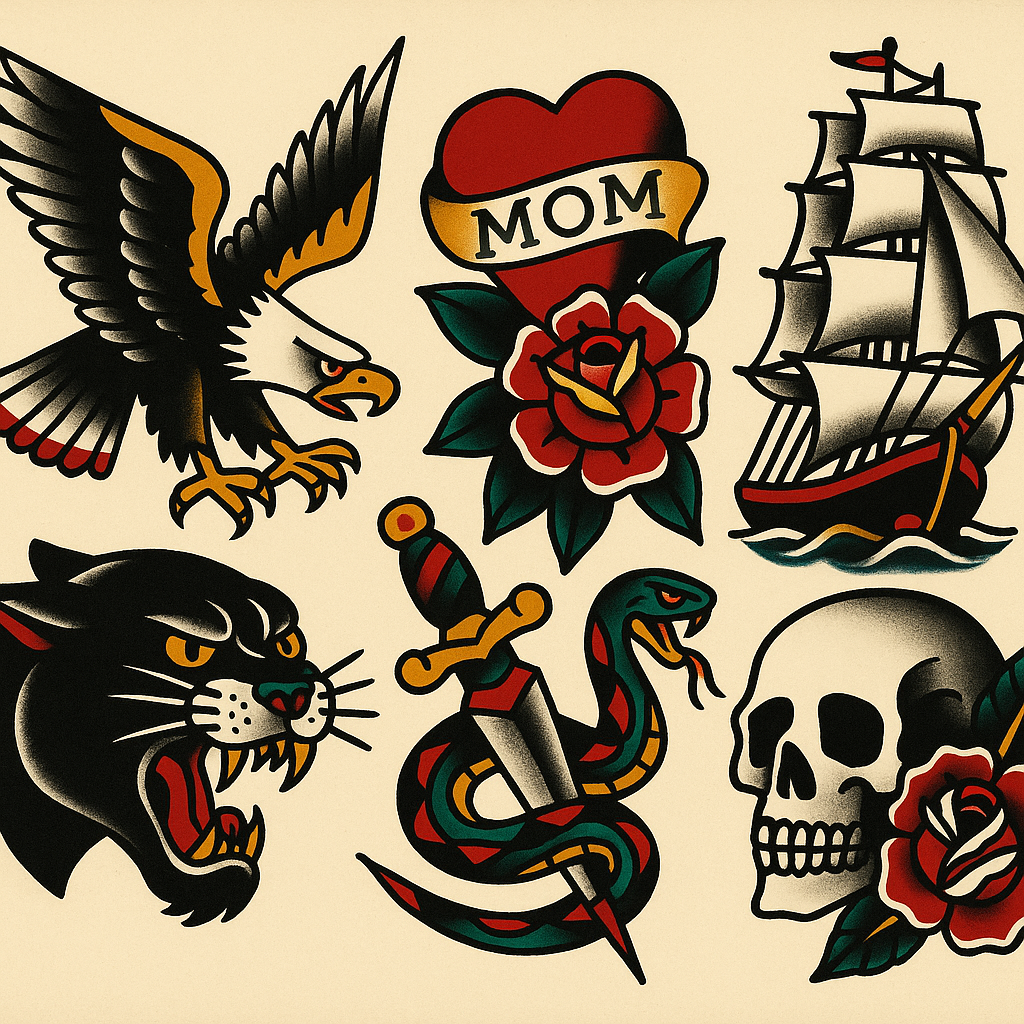
Flash sheets are pre-designed collections of tattoo art typically displayed in tattoo studios. Artists use them to showcase their style and provide inspiration for clients. The sheet we’re featuring today includes six timeless designs, each brimming with the hallmarks of American Traditional: thick outlines, vivid reds, greens, yellows, and simple yet striking visuals.
Inside the Flash Sheet: What You’re Looking At
This sheet is a celebration of the classics. Each image is bold and intentional, laid out with clean spacing and symmetry. These designs are often used as standalone tattoos, but they also work together beautifully in a patchwork-style sleeve or chest piece.
Eagle: Symbol of Strength and Patriotism
A symbol of freedom, patriotism, and strength, the eagle is one of the most iconic images in American Traditional tattooing. Its wings spread in power, it’s often chosen by military personnel and those who take pride in their country or personal independence.
“Mom” Heart & Rose: Honoring Family and Love
This design is as traditional as it gets. The heart with a “MOM” banner and rose represents deep love, family loyalty, and old-school sentiment. It’s a staple for those wanting to honor their roots.
Sailboat: Navigating Life’s Journey
Anchored in naval tradition, the sailboat symbolizes adventure, direction, and the journey of life. For sailors, it was a good luck charm. For the rest of us, it’s a nod to exploring the unknown and keeping steady through rough waters.
Panther: Courage and Rebellion in Ink
Fierce, fast, and untamed, the black panther represents courage, rebellion, and primal instinct. It’s long been a favorite among bikers and those who align with counterculture.
Snake & Dagger: Conflict and Survival
This classic combo tells a story of survival, danger, and power. The snake represents cunning and danger; the dagger, defense and resolve. Together, they speak to life’s constant battles and the strength to overcome.
Skull & Rose: Embracing Life and Death
The skull is a reminder of mortality; the rose, a symbol of life’s fleeting beauty. This juxtaposition is at the heart of tattoo symbolism—a beautiful balance between life and death, darkness and grace.
Why These Designs Stand the Test of Time
American Traditional tattoos aren’t just cool—they’re practical. The bold outlines hold up well over time, the limited color palette creates high contrast, and the designs themselves are readable from a distance. They work on a wide range of skin tones and body placements, making them a go-to for both tattoo newcomers and seasoned collectors.
Thinking About Getting One?
- Think about what matters most to you: heritage, values, personal story
- Choose placement wisely—these designs pop on forearms, biceps, chests, and calves
- Work with an artist who understands and respects the traditional style
- Don’t over-customize—embrace the simplicity that makes this style so powerful
Make It Yours If you’re drawn to this style, save the flash sheet and bring it to your next consultation. These designs are more than just art—they’re a statement. Whether it’s your first tattoo or your fiftieth, old-school ink never goes out of style.
- Tattoo Aftercare Help: The Complete Healing Guide for New Ink
- How Professional Tattoo Artists Prevent Infections (and What You Should Do If One Happens)
- Birth Flowers Chart by Month
- Aurora Borealis Tattoo
- How Printable Tattoo Stencils Work (and How to Make Your Own from Any Design)
- Arm Swollen After a Tattoo? What You Need to Know
- Tattoo Aftercare: How to Reduce Tattoo Swelling & Discomfort
- Tattoo Aftercare Products & How They Fit Into Caring for Your Tattoo
- How To Brighten a Tattoo
- American Traditional Tattoo Style
- Flowers (7)
- Halloween (5)
- Uncategorized (95)