
matt
Best Tattoo Lotions For New or Old Tattoos
Selecting the perfect lotion is an absolute must to maintain the health and vibrancy of your tattoo, no matter its age. With an overwhelming number of options available, finding the ideal match for your inked skin can be quite challenging.
When choosing a lotion for your tattoo, consider factors such as your skin type, the ingredients, and its consistency. Opt for products that offer hydration without being too heavy or greasy and favor natural ingredients for their gentle effect on the skin.
Which Lotions Are Best For Tattoos
Click here for my favorite tattoo lotion
- Skin Type:
- Oily Skin: Look for lightweight, non-comedogenic lotions that won’t clog pores.
- Dry Skin: A more hydrating and richer lotion benefits dry skin.
- Sensitive Skin: Opt for hypoallergenic lotions free from fragrances and harsh chemicals.
- Ingredients:
- Natural Ingredients: Ingredients like shea butter, jojoba oil, and aloe vera have soothing and hydrating properties.
- Avoid Harmful Additives: Steer clear of lotions with alcohol, fragrances, or colorants, which can irritate the skin and potentially fade the tattoo.
- Healing Compounds: For new tattoos, ingredients that support skin healing, like vitamin E, can be beneficial.
- Patch Test: Before applying any lotion to your tattoo, test a small area of your skin to ensure no allergic reaction.
- Consistency is Key: Regular application per the recommended frequency is crucial for optimal results.
- Consult Your Tattoo Artist: If in doubt, your tattoo artist can provide personalized recommendations based on your tattoo’s size, location, and color.
| Best Lotions | Description |
|---|---|
| Aquaphor Healing Ointment | A hydrating choice, ideal for vibrant ink maintenance. Contains over 40% petrolatum. |
| Aveeno Daily Moisturizing Lotion | Budget-friendly, fragrance-free, and gentle on the skin. |
| Billy Jealousy Tattoo Lotion | Premium lotion with natural ingredients like jojoba oil and shea butter. |
| Hustle Butter Tattoo Care & Maintenance Cream | Vegan, free of harsh chemicals, suitable for sensitive skin. |
| Stories & Ink Tattoo Care Daily Moisturizer | Formulated with aloe vera, chamomile, and calendula for gentle care. |
| Mad Rabbit Repair Soothing Gel | Soothing gel for irritated skin with aloe vera, witch hazel, and tea tree oil. |
| H2Ocean Aquatat Moisturizer | Petrolatum-based, fragrance-free, great for dry skin. |
| Tattoo Goo Balm | Enhances tattoo color, made with beeswax, olive oil, and cocoa butter. |
| After Inked Tattoo Moisturizer and Aftercare Lotion | Natural ingredients like grape seed oil and jojoba oil, avoids synthetics. |
| Nutiva Virgin Coconut Oil | 100% organic virgin coconut oil, a natural option for skin care. |
How To Choose The Right Lotion for Your Tattoo
Consistency and Absorption:
A good tattoo lotion should be easy to spread and absorb quickly into the skin without leaving a greasy residue. Some lotions are specifically designed to enhance and protect tattoo ink, helping to keep colors vibrant over time. Proper hydration is vital to keeping your tattoo looking fresh. Look for lotions that provide long-lasting moisture. Research the brand and read user reviews to gauge effectiveness and satisfaction. Recommendations from tattoo artists and dermatologists can also be valuable. Consider the size of the lotion bottle, especially if you need to carry it with you for regular application.
FAQs
Q: Can the same lotion be used for new and old tattoos?
A: Yes, many lotions are suitable for both, but always follow specific aftercare instructions for new tattoos.
Q: How often should I apply lotion to my tattoo?
A: This varies based on skin type and lotion formula, but generally, once or twice a day is sufficient.
Final Word
Your tattoo is not just a piece of art, but a part of your personal story and identity. Choosing the right lotion is not merely about skincare; it’s about preserving this story in its most vivid form. Remember, every tattoo is unique, and what works best for one person may not be the perfect fit for another.
In navigating the world of tattoo lotions, prioritize your skin’s specific needs and the unique aspects of your tattoo. Whether it’s a delicate color work or a bold black ink design, the right lotion can maintain its clarity and prevent fading. By carefully considering factors such as ingredients, skin type compatibility, and moisturizing properties, you are taking an important step in protecting your tattoo for years to come.
This Too Shall Pass Tattoo

Few phrases in the world of tattoo art carry as much depth and universality as “This Too Shall Pass.” It is a powerful statement of resilience and impermanence, offering both comfort and inspiration to those who embrace it. Delving deeper into the meaning behind these words can help transform them into a truly meaningful piece of body art.
This Too Shall Pass Tattoo Meaning
At its core, “This Too Shall Pass” is a reminder of the fleeting nature of all things. While its exact origin is uncertain, the phrase echoes through various cultural narratives, including an often-mentioned, though not directly quoted, sentiment in the Bible. In the realm of spiritual and religious texts, it aligns with the biblical wisdom that speaks to the transient nature of life and human experiences, as seen in Ecclesiastes 3:1-8, which reflects on the time and season for every matter under heaven.
This phrase speaks to the impermanence of human conditions and situations, be it joy or sorrow, triumph or tribulation. In today’s fast-paced and often tumultuous world, “This Too Shall Pass” serves as a grounding force. It’s a call to savor the joyful moments and a comforting balm during hardships, reminding us that both are transient.
Crafting the Design: From Words to Art
Textual Elegance: The beauty of “This Too Shall Pass” lies in its simplicity, and the right font can elevate this. From the elegance of cursive to the starkness of a typewriter font, each style adds a unique character to the phrase. Script fonts can imbue a sense of tradition and continuity, while modern typefaces might lend a contemporary edge.
Symbolic Integration: Symbols like an hourglass or wilting flower can add a visual representation of time and change, enriching the phrase’s meaning. These elements can be subtly woven into the letters or placed alongside the text. For those drawn to its biblical resonance, integrating symbols like a cross or olive branch can add a layer of spiritual meaning.
Color and Emotion: While black ink offers a classic look, colors can convey emotions tied to the phrase. Soft blues and greens evoke calm, while a splash of red might symbolize passion or the heart’s resilience.
Choosing the Perfect Spot
The placement of a “This Too Shall Pass” tattoo is as personal as its design.
- Wrist: Ideal for those who seek a constant reminder of the tattoo’s message.
- Shoulder or Back: Offers a more private and larger canvas, suitable for detailed designs.
- Ribcage or Ankle: These spots can be more painful but offer an intimate and subtle choice.
Each location carries its symbolism and should be chosen based on personal comfort and the desired visibility of the tattoo.
Adding a Personal Touch
Customizing your tattoo makes it uniquely yours. Consider incorporating elements that represent personal triumphs or challenges. Alternatively, using a different language or script can add an exotic flair or honor personal heritage.
The Journey to Ink
Before taking the plunge, it’s crucial to consult with a professional tattoo artist. They can guide on the feasibility of your design and provide expert advice on placement and care.
Final Thoughts
A “This Too Shall Pass” tattoo is more than ink on skin; it’s a lifelong companion whispering words of wisdom. It’s a testament to the enduring human spirit, a symbol that in the grand tapestry of life, we are all connected by the ebb and flow of time and change.
Butterfly Tattoo
Butterfly tattoos are a captivating choice for many, offering a stunning visual appeal and a profound depth of meaning. These tattoos are symbols of transformation, change, resilience, beauty, freedom, spirituality, femininity, love, and joy. In this blog post, we explore the various aspects of butterfly tattoos and why they are popular in body art.
Butterfly Tattoos: A Metaphor for Transformation
The metamorphosis of a butterfly, evolving from a caterpillar into a magnificent winged creature, is a powerful metaphor for personal growth and evolution.
Resilience and Beauty
Butterflies symbolize not just transformation but also resilience. They endure significant change and emerge gracefully, making them a symbol of beauty and strength. The delicacy of butterflies is often associated with femininity, but their universal symbolism resonates with all genders.
Emblems of Freedom and Spirituality
Butterflies represent the freedom of the spirit, an unbound and expressive nature that many find inspiring. They can also serve as spiritual symbols, acting as messengers between the physical and spiritual worlds, or embodying spiritual journeys.
Love and Joy
In many cultures, butterflies symbolize love and happiness, adding a romantic and joyful dimension to their meaning.
Diverse Designs and Placements
When it comes to design and placement, butterfly tattoos offer a wide range of options:
| Butterfly Tattoo Type | Description |
|---|---|
| Sunflower and Butterfly Tattoo | This design combines the brightness and positivity of sunflowers with the transformative symbolism of butterflies. It often represents joy, growth, and the beauty of nature. |
| Rose and Butterfly Tattoo | Merging the elegance of roses with butterflies, this tattoo can symbolize love, passion, and the metamorphosis of relationships or personal journeys. |
| Blue Butterfly Tattoo | A blue butterfly tattoo typically symbolizes rarity, beauty, and uniqueness. Blue butterflies are often associated with grace, depth, and a connection to the spiritual or mystical. |
| Red Butterfly Tattoo | Red butterfly tattoos can represent passion, courage, and sometimes transformation through love or heartache. The color red adds intensity and emotion to the butterfly’s symbolism. |
| Skull Butterfly Tattoo | This intriguing combination symbolizes the juxtaposition of life and death, transformation, and rebirth. It can represent a significant life change or the acceptance of life’s dualities. |
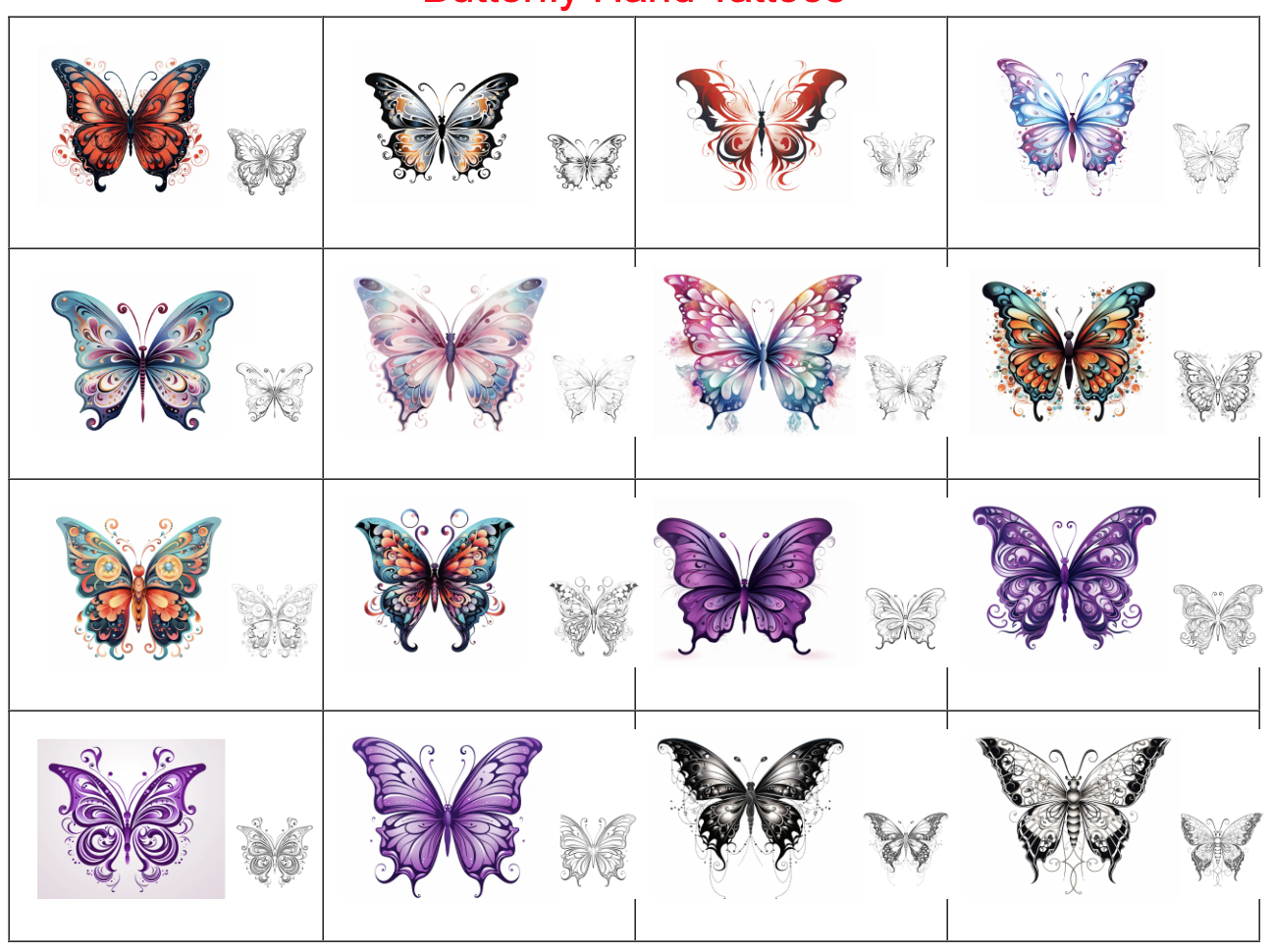
| Butterfly Hand Tattoo | Placing a butterfly tattoo on the hand makes a bold statement. It’s highly visible and can symbolize freedom, constant change, and the wearer’s connection to nature or personal growth. |
Designs
- Realistic and Detailed: For those who appreciate the precision and lifelike art.
- Abstract and Colorful: Perfect for a more artistic and expressive approach.
- Watercolor: These tattoos mimic the fluid and soft tones of watercolor paintings.
- Minimalist: For a simple, subtle, yet elegant tattoo.
- Butterfly with Flowers: Combining the beauty of flora and fauna.
- Butterfly in Flight: Capturing the essence of freedom and movement.

Placements
- Shoulder: Suggesting strength and support.
- Wrist: For a constant, visible reminder of the tattoo’s symbolism.
- Back: Offering a larger canvas for intricate designs.
- Ankle: A subtle yet charming placement.
- Forearm: Ideal for showcasing the design prominently.
Personalization: Making it Yours
Butterfly tattoos can be personalized by combining them with other elements such as flowers, symbols of love, meaningful quotes, or elements from nature. This allows the wearer to create a tattoo that is not only unique but also deeply personal.

Conclusion
Butterfly tattoos are more than just an aesthetic choice; they are a reflection of personal journeys, beliefs, and emotions. Choosing the right design, placement, and combination can result in a meaningful and beautiful tattoo. Remember, the most important aspect of a butterfly tattoo is that it resonates with you and reflects your personality and values.
Tattoo Ideas for Men: How To Find The Perfect Design
When you type ‘tattoo ideas for men’ into a search engine, you’re likely to be bombarded with countless designs, styles, and suggestions. It’s easy to be bombarded and overwhelmed by the sheer volume of options.
This guide is not about presenting you with a generic list of tattoos. Instead, it’s about helping you discover a tattoo that resonates with your individuality. The key to finding the perfect tattoo lies not in a random collection of popular designs, but in a deeper understanding of what truly speaks to you. Let’s undertake a journey to uncover how your interests, experiences, and passions can be artfully transformed into a unique tattoo. Let’s roll!
Tattoo Ideas for Men
The first step in choosing a tattoo is introspection. Consider what matters to you – maybe it’s a hobby like photography or a significant life event. For example, a marathon runner might opt for a tattoo that embodies endurance. Think about the things that inspire you daily, whether it’s a line from your favorite book or a special memory.
Exercise: Personal Interest Chart
- Create a chart or list of your hobbies, passions, and significant life events.
- Next to each item, write down any images, symbols, or words that come to mind when you think about them.

The Big Book of Small Tattoos
Table of Tattoo Ideas
| Interests/Passions | Related Images/Symbols | Words/Phrases |
|---|---|---|
| Nature | Trees, Mountains, Rivers | Serenity, Growth, Exploration |
| Music | Musical Notes, Guitars, Headphones | Harmony, Rhythm, Melody |
| Travel | Globes, Airplanes, Maps | Adventure, Discovery, Wanderlust |
| Fitness | Dumbbells, Running Shoes, Yoga Poses | Strength, Endurance, Balance |
| Art | Paintbrush, Palette, Abstract Shapes | Creativity, Expression, Colorful |
Exploring Symbolism to Find Ideas
Tattoos often carry deep symbolism to the people who get them, but not always, I once knew someone who got their inside lip done when drunk in the city.
Understanding the meanings behind various symbols can help create a design rich in personal significance. For instance, someone drawn to Japanese culture might explore traditional motifs. Abstract concepts, like resilience, symbolized by a steadfast tree, can also make for powerful imagery.
You can also look inward and think about the struggles you may have experienced in life and how you overcame them. For instance, there are tattoo designs for those who suffer from anxiety. Also if this isn’t your first tattoo, and maybe you’re trying to change up your look you could also look into filler ideas.
Exercise: Symbolism Brainstorm
- Choose an abstract concept or value important to you (like freedom, love, strength).
- Research various cultural, historical, or personal symbols associated with this concept and note them down.
Visual Inspiration
Pay attention to the world around you for visual inspiration. The patterns in nature, the play of colors at sunset, or even urban architecture can spark ideas. Artistic styles, like the fluidity of watercolor paintings, might influence the aesthetic of your tattoo. Color choices, too, play a crucial role; different hues can evoke varied emotions.

Tattoo Design Book Vol. 3
Combining Elements
A unique tattoo often comes from a fusion of different ideas. Imagine combining your love for music with nature, resulting in a design like a guitar adorned with floral patterns. Balance in design is key – consider how different elements like color, size, and detail can harmonize in your tattoo.
Consulting with a Tattoo Artist
Finding the right tattoo artist is crucial. Look for someone whose style aligns with your vision. Communicate your ideas clearly, perhaps through a mood board, and be open to their professional suggestions. For instance, an artist specializing in black and grey realism could add depth to a portrait tattoo.
Practice Exercises for Finding Inspiration & Ideas
- Inspiration Journaling: Keep a daily record of anything that catches your eye or ignites your imagination.
- Mood Board Creation: Compile images, colors, and textures that speak to you into a visual collage.
- Storytelling with Symbols: Reflect on the personal significance of potential symbols in your life.
- Mind Mapping: Start with a central idea and explore related themes and imagery.
- Photographic Exploration: Spend a day capturing themes that interest you through photography.
- Color Experimentation: Play with different color combinations to find what resonates with you.
- Conversations and Interviews: Discuss your ideas with others to gain fresh perspectives.
- Visualization and Meditation: Use visualization techniques to conceive your ideal tattoo.
Exploring Tattoo Design Books
Expand your horizons by exploring tattoo design books. These books offer many designs, from traditional to modern styles. Compare the tactile experience of flipping through a physical book with the convenience of digital libraries. Take inspiration but think of ways to personalize what you see.

Wrapping Up Tattoo Ideas for Men
Remember, the journey to finding the perfect tattoo is deeply personal. Take your time to explore and reflect on what genuinely speaks to you. Your tattoo should be a piece you are proud to wear, a true reflection of your unique story.
Why Does My Tattoo Look Faded? Great Tattoo Aftercare Tips
A faded tattoo can be a bummer! The appeal of tattoos lies in their unique capability to be both a personal statement and a piece of art, but over time, tattoos change and fade. And you might wonder why your tattoo ink looks faded.
The answer lies in factors like sun exposure, friction, skin exfoliation, and changes in skin that contribute to this fading process.
This article dives into how different tattoo styles weather the test of time, providing insights and tattoo aftercare tips to prevent fading, along with tips on how to keep your tattoos looking vibrant and bright.
Understanding Tattoo Fading & Aftercare
Fading tattoos is a natural part of wearing ink; it’s not a matter of if but a matter of when it’ll happen. The best way to deal with it is, of course, prevention. Let’s talk about some of the factors of tattoo fading and what can be done to prevent & reduce fading.
- Ink Placement and Skin Layers: Ink is injected into the dermis, the second layer of the skin. This layer is stable, making it ideal for holding the ink. However, the skin is a dynamic organ, constantly renewing itself. The epidermis, the outer layer, sheds regularly, which can affect the sharpness and brightness of the tattoo over time.
- How to Prevent Tattoo Fading: Find a good tattoo lotion and cream skincare product that includes regular moisturizing and sun protection to preserve the ink.

Old & New Tattoo Moisturizer Healing Brightener
- Role of the Immune System: Macrophages, a type of white blood cell, are part of the body’s response to foreign ink particles. They attempt to remove these particles from the skin, but instead, they often absorb the ink. Some macrophages remain in the dermis, while others move to the lymph nodes, carrying the ink. This process can gradually lead to the dispersion and fading of the tattoo. It is worth choosing your tattoo artist/ink wisely.
- Impact of Sun Exposure: Ultraviolet (UV) rays from the sun can significantly accelerate tattoo fading. UV light breaks down the ink pigments, causing them to fade over time. This effect is more pronounced in tattoos that are regularly exposed to the sun. The fading can be uneven, depending on the tattoo’s exposure to sunlight.

Mad Rabbit Enhance Balm, Replenish Daily Body Lotion & Defend Mineral Sunscreen
-
- How To Protect a New Tattoo From the Sun: Apply a tattoo-friendly sunscreen with an SPF of 30 or higher over the tattoo.
- How to Protect Tattoo in Tanning Bed: Make sure you’ve had at least two weeks of healing time before going into the bed! Use a tattoo cover-up to protect it, and use a 30 SPF+ sunscreen.
- Want to learn more? We’ve got a great article on tattoo-friendly sunscreen.

Mad Rabbit Defend Tattoo Sunscreen
- Tattoos on Older Skin: Our skin loses elasticity and undergoes textural changes as we age. These natural aging processes can affect the appearance of tattoos. Areas where the skin is thinner or more prone to stretching and sagging, such as the elbows and knees, may show more pronounced fading and distortion of tattoos.
- Friction and Wear: Regular friction from clothing or physical activities can contribute to tattoo fading. Areas frequently rubbed or subjected to wear, like the hands and feet, are particularly susceptible to faster fading.
- Ink Quality and Color Variability: The quality of the tattoo ink is important in determining how well a tattoo holds up over time. Higher-quality inks with more stable pigments tend to fade less. Additionally, different colors fade at different rates; for example, lighter colors like yellow and pink tend to fade quicker than darker colors like black and blue.

World Famous Tattoo Ink
How to Brighten Tattoos
Over time, tattoos will lose their original luster and vibrancy. However, there are several methods to brighten up an old tattoo to revive the appearance of your skin. Some ideas are more invasive than others, but here are some tips.
- Exfoliation: Gently exfoliate the tattoo to help remove dead skin cells that may make the tattoo look dull. However, it’s important to be gentle and use a mild exfoliant to avoid damaging the skin.

Mad Rabbit Refresh Exfoliating Soap Glycerin + Activated Charcoal
- Touch-Up Sessions: Sometimes, the best way to brighten a faded tattoo is to have it touched up by a tattoo artist. They can revitalize the colors and redefine the lines, making your tattoo look as good as new with some fresh ink.
Tattoo fading is an inevitable part of the journey of any tattoo, but it’s not the end of the story. Fading prevention is key! Tattoo aftercare includes regularly applying 30 SPF sunscreen, maintaining a healthy skincare routine, and keeping the skin moisturized help a lot. In particular, protecting tattoos from the sun’s UV rays is critical, as they are a primary cause of fading.
If your tattoo does start to fade, there are ways to bring back its brightness. Professional touch-ups are an excellent option for restoring the clarity and vibrancy of the ink. Additionally, tattoo-specific moisturizers and gentle exfoliation can enhance the appearance of older tattoos, reviving the brightness and contrast of the colors and lines.
What Is The Best Tattoo Numbing Cream?
Tattoos hurt. Some areas — ribs, sternum, inner bicep, ankle — hurt a lot. For long sessions or sensitive placements, a quality numbing cream can mean the difference between a smooth 4-hour session and tapping out at hour two. Numbing creams work by temporarily blocking the pain signals your nerves send to your brain, usually through lidocaine, prilocaine, or a combination of both.
This guide covers the seven best tattoo numbing creams in 2026 — what’s actually in them, how long they last, which ones tattoo artists tolerate (some refuse), and how to apply them correctly so they actually work. Skip to the comparison table if you just want the verdict.
Key Takeaways
- The best numbing creams contain 5% lidocaine — the maximum over-the-counter strength.
- Apply 60–90 minutes before your appointment, covered with plastic wrap, for full effect.
- Numbing typically lasts 2–4 hours, sometimes longer with the strongest formulas.
- Always check with your tattoo artist first — some refuse to work on numbed skin.
- Numbing cream is just step one — see our complete tattoo aftercare guide for what to do after the session.
Click here for my #1 pick — Zensa Numbing Cream
What to Look for in a Tattoo Numbing Cream
Lidocaine Percentage
Lidocaine is the gold-standard active ingredient. Over-the-counter creams legally cap at 5% in the US — anything claiming higher is either prescription-only or operating in a regulatory gray area. 4% to 5% lidocaine is the sweet spot for tattoos. Lower percentages (2-3%) often disappoint people expecting full numbness.
Duration of Effect
Look for creams that maintain numbness for at least 2–3 hours. Quality formulas last 4–6 hours, which covers most tattoo sessions. The duration starts ticking down the moment the cream is wiped off, not when it’s first applied.
Onset Time
Most numbing creams need 30–90 minutes to take effect. Faster isn’t always better — fast-onset creams often wear off faster too. Plan your timing around your appointment, applying the cream before you leave home.
Depth of Numbness
Surface numbness isn’t enough for tattooing. The needle deposits ink in the dermis, the second layer of skin, so the cream needs to penetrate beyond the epidermis. Quality creams contain delivery agents (often called penetration enhancers) that help the lidocaine reach deeper layers.
Skin Type Compatibility
If you have sensitive skin, eczema, or rosacea, look for creams free of fragrances, parabens, and harsh preservatives. Patch-test 24 hours before your appointment on a small area to rule out reactions.
The Best Tattoo Numbing Creams Compared
| Cream | Lidocaine % | Duration | Best For | Price |
|---|---|---|---|---|
| Zensa Numbing Cream | 5% | 3–4 hrs | Sensitive skin, best overall | Check Amazon |
| SNTE Painless Tattoo Cream | 5% | 4 hrs | Long sessions | Check Amazon |
| SAMNYTE Numbing Cream | 5% | 6–8 hrs | Longest duration | Check Amazon |
| Dr. Numb | 5% | 3–4 hrs | All skin types | Check Amazon |
| Mad Rabbit Numbing Cream | 5% | 2–3 hrs | Lifestyle brand fans | Check Amazon |
| Treatonic Numbing Cream | 5% | 6 hrs | Soothing + healing | Check Amazon |
| Aspercreme Dry Spray | 4% | 1–2 hrs | Mid-session top-ups | Check Amazon |
1. Zensa Numbing Cream — Best Overall
Zensa is the most artist-approved cream on this list and the one I recommend first. It uses the maximum 5% lidocaine, is vegan and cruelty-free, contains vitamin E for skin support, and stays effective without distorting the skin texture — which is a real issue with cheaper creams that make the dermis “rubbery” and harder for the artist to tattoo cleanly.
Pros:
- Maximum 5% lidocaine, FDA-approved formulation
- Suitable for sensitive skin
- Doesn’t make skin rubbery (artists prefer this)
- Vegan and cruelty-free
Cons:
- One of the pricier options
- Smaller tube — you’ll need multiple for full sleeves
2. SNTE Painless Tattoo Numbing Cream — Best for Long Sessions

SNTE Painless Tattoo Numbing Cream on Amazon
SNTE is a long-lasting topical anesthetic specifically designed for tattoos, piercings, and other skin procedures. It contains 5% lidocaine — the same active ingredient used in many medical procedures — and is formulated to be both fast-acting and long-lasting, providing up to 4 hours of pain relief.
Pros:
- Fast-acting and long-lasting (up to 4 hours)
- 5% lidocaine, the standard for medical-grade numbing
- Works for tattoos, piercings, and other skin procedures
Cons:
- Some users experience mild skin irritation
- Effectiveness varies by skin type
- Not recommended on broken or irritated skin
3. SAMNYTE Numbing Cream — Longest Duration
SAMNYTE Numbing Cream on Amazon
If you’re looking at a marathon tattoo session — full back, full sleeve, full leg piece — SAMNYTE’s claimed 6–8 hour numbing window is the longest in the category. It pairs 5% lidocaine with menthol (for a cooling sensation), vitamin E, and aloe vera, which makes it gentler on skin than some pure-lidocaine formulas.
Pros:
- Longest-lasting numbing effect on this list
- Contains skin-soothing ingredients
- Good value for the tube size
Cons:
- Some artists find the menthol distracting
- The 6–8 hour claim varies significantly by user
4. Dr. Numb — Reliable All-Rounder
Dr. Numb has been around longer than most numbing creams on the market and has built a reputation for being reliable across different skin types. It’s fast-acting and provides up to 4 hours of pain relief. The formula works equally well on dry, oily, and combination skin.
Pros:
- Long track record and trusted brand
- Works on all skin types
- 5% lidocaine concentration
Cons:
- Slightly slower onset than competitors
- Premium price point
5. Mad Rabbit Numbing Cream — Best for Brand-Conscious Buyers
Mad Rabbit Numbing Cream on Amazon
Mad Rabbit has become the tattoo aftercare brand of choice for the social-media-savvy crowd, and their numbing cream lives up to the rest of the line. It uses 5% lidocaine alongside antibacterial and anti-inflammatory ingredients, and it’s non-greasy — which makes the artist’s job easier. Pairs naturally with their lotions and balms for a complete aftercare system.
Pros:
- 5% lidocaine with added skin benefits
- Non-greasy formula
- Fits into the broader Mad Rabbit aftercare ecosystem
Cons:
- Shorter duration than top picks (2–3 hours)
- Premium pricing for the volume
6. Treatonic Numbing Cream — Best for Sensitive Skin

Treatonic Tattoo Numbing Cream on Amazon
Treatonic stands out by combining 5% lidocaine numbing with skin-healing ingredients like arnica (a natural anti-inflammatory) and emu oil (a deep-penetrating moisturizer). The cream penetrates the skin to soothe, moisturize, and enhance the color and quality of your tattoo while it numbs — and it can even help reduce swelling during the session.
- Up to 6 hours of pain relief, with reduction in itching, soreness, and tattoo swelling
- Contains arnica and emu oil — natural ingredients that soothe and promote skin healing
- Vegan-friendly, cruelty-free, and free from harsh chemicals
7. Aspercreme Pain Relief Dry Spray — Best for Mid-Session Top-Ups
Aspercreme Dry Spray on Amazon
Not technically marketed as a tattoo product, but Aspercreme’s lidocaine dry spray has quietly become a favorite among tattoo artists for mid-session use. When your initial numbing cream starts wearing off, a quick spray can extend relief without the messiness of reapplying cream. Contains 4% lidocaine, sprays on clean and odor-free, and works fast.
Pros:
- Instant numbing effect
- Easy mid-session application without disrupting the artist
- 4% lidocaine in spray form
- Odor-free
Cons:
- Shorter duration than creams (1–2 hours)
- Lower lidocaine percentage
- Some artists prefer not to spray over fresh work
How to Apply Tattoo Numbing Cream (Correctly)
Numbing creams fail when applied wrong — and they’re applied wrong constantly. Follow these steps:
- Clean the area with mild soap and water 90 minutes before your appointment.
- Pat completely dry — any moisture dilutes the cream.
- Apply a thick layer (about 2mm) over the entire tattoo area. This is one of the few times “more product” is right.
- Cover with plastic wrap, taping the edges if needed. The heat trapped underneath activates the cream and prevents it from drying out.
- Leave on for 60–90 minutes. Don’t exceed 90 minutes — you risk skin damage.
- Wipe off completely right before tattooing starts. The numbness lasts 2–4+ hours from this point.
Will My Tattoo Artist Let Me Use Numbing Cream?
This is the question to ask before you buy. Some artists fully support numbing cream — especially those doing long sessions or working on sensitive areas. Others refuse, for these reasons:
- Skin texture change: Some creams make skin “rubbery” or “spongy,” making it harder to tattoo cleanly.
- Quality concerns: If line work suffers because of texture change, the artist’s portfolio suffers too.
- Reduced communication: Pain serves as a feedback signal. A fully numb client can’t tell the artist when something feels wrong.
- Personal philosophy: Some artists believe pain is part of the experience.
Always ask first. Don’t surprise your artist with numbed skin — it’s disrespectful and can affect the quality of your tattoo.
Safety: What to Avoid
- Don’t use on broken or irritated skin. This includes scratches, sunburns, or rashes.
- Don’t exceed recommended quantities. Too much lidocaine absorbed too quickly can cause heart issues — this is rare but serious.
- Don’t leave on longer than 90 minutes unless explicitly directed by the manufacturer.
- Avoid if pregnant or breastfeeding without consulting your doctor first.
- Patch test 24 hours before if you have sensitive skin or have never used numbing cream before.
- Don’t drink alcohol within 24 hours of using numbing cream — it can interact with the lidocaine.
After the Session: What Comes Next
Numbing cream gets you through the appointment, but the real work of keeping your tattoo crisp starts the moment you leave the studio. Once the cream wears off, you’ll likely experience normal post-tattoo swelling, redness, and tenderness. This is when the right aftercare matters most.
Start with our complete tattoo aftercare guide for the full week-by-week healing playbook. If you’re dealing with swelling — especially on the arm, the most common spot — see our specific guides on how to reduce tattoo swelling and what to do when your arm is swollen after a tattoo.
You’ll also want quality aftercare products lined up before the appointment — at minimum, a fragrance-free tattoo soap, a lotion designed for new tattoos, and (for the long haul) a tattoo-safe sunscreen to prevent fading.
Frequently Asked Questions
Does tattoo numbing cream really work?
Yes — when applied correctly. The most common reason numbing cream “doesn’t work” is improper application: not enough product, not covered with plastic wrap, or not left on long enough. With 5% lidocaine, a thick layer, and 60–90 minutes under wrap, most people experience significant pain reduction.
How long does tattoo numbing cream last?
Most quality creams provide 2–4 hours of numbness after being wiped off. Some long-duration formulas like SAMNYTE claim 6–8 hours, though real-world results vary by skin type and location.
Will numbing cream affect my tattoo?
Properly used numbing cream removed before tattooing starts shouldn’t affect ink quality. Issues arise when the cream is left on during tattooing (creating texture problems) or when low-quality creams cause significant skin swelling or vasoconstriction that affects how ink settles.
Can I bring numbing cream to my tattoo appointment?
Always ask your artist first. Many will say yes and may even have preferred products. Some artists keep numbing sprays on hand for mid-session use. Showing up with already-numbed skin without asking can damage your relationship with the artist and the quality of your tattoo.
What’s the strongest numbing cream available?
Over the counter, 5% lidocaine is the legal maximum in the US. Combination creams that pair lidocaine with prilocaine, tetracaine, or epinephrine can be stronger but require prescription or are sold in regulatory gray zones. Stick with reputable 5% lidocaine formulas like Zensa, SNTE, or Dr. Numb.
Can I use numbing cream on a fresh tattoo to reduce pain afterward?
No. Numbing creams shouldn’t be applied to broken or healing skin — this includes a fresh tattoo. For post-tattoo pain and swelling, use ibuprofen, ice over a bandage, and elevation. See our swelling reduction guide for the full approach.
Is numbing cream safe?
For most people, yes — when used as directed. The main risks come from using too much product over too large an area (potential lidocaine toxicity) or using on broken skin. Always patch-test first, don’t exceed the recommended application time, and stop using if you experience anything beyond mild localized redness.
The Bottom Line
For most people getting a tattoo in a sensitive area or sitting for a long session, a quality numbing cream is worth every dollar. Zensa is my top overall pick for its 5% lidocaine concentration, artist-friendly texture, and consistent results. For longer sessions, SAMNYTE or Treatonic stretch the numbing window further. For mid-session top-ups, keep Aspercreme dry spray on hand.
Whichever you choose, talk to your artist first, apply correctly, and have your aftercare lined up before you leave the studio. A great tattoo experience starts before the needle and continues for weeks after.
Red Poppy Tattoo
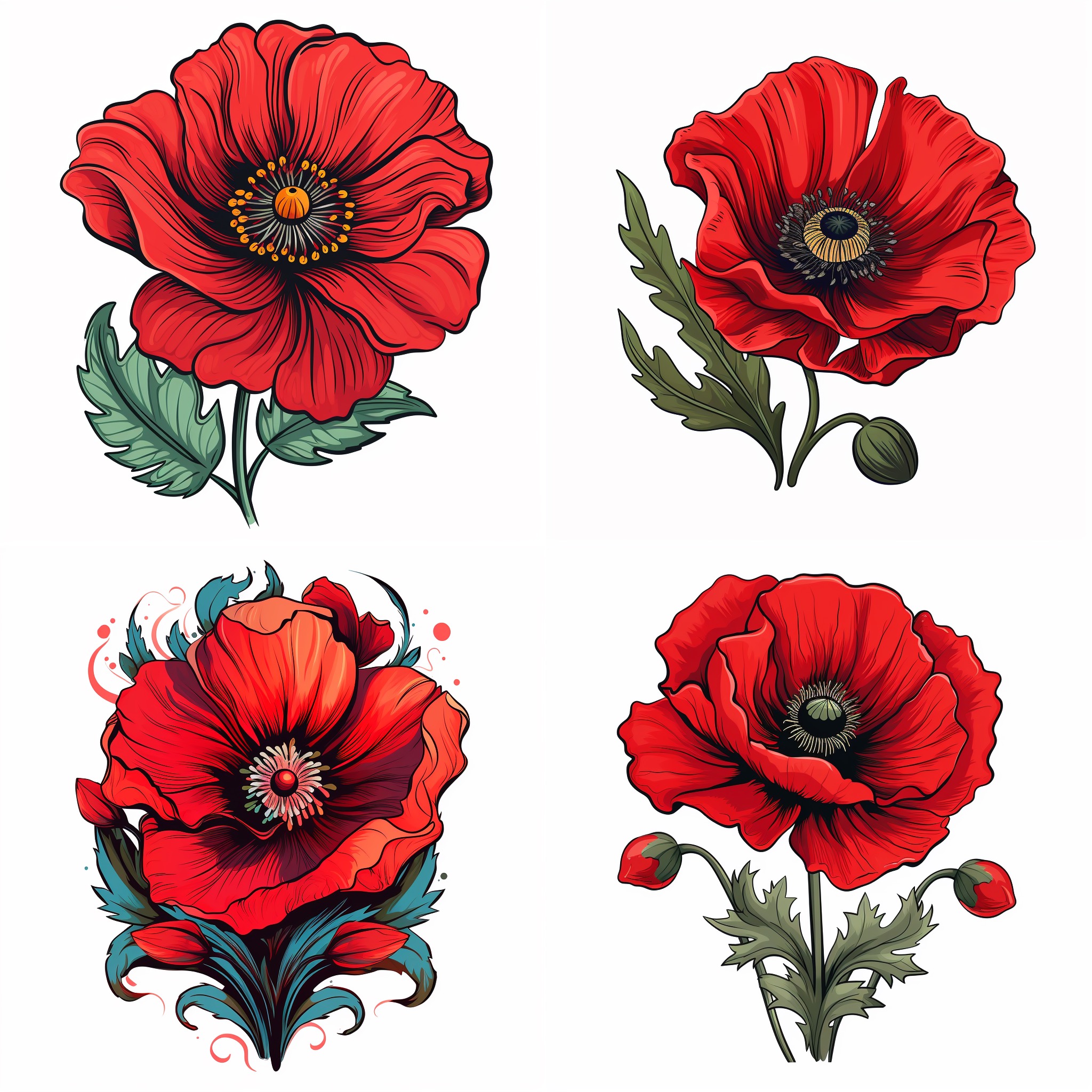

The red poppy’s vibrant hue and delicate petals have long captivated our admiration and symbolic interpretations. In the world of ink, a red poppy tattoo serves as more than just a perennial adornment; it becomes a permanent symbol etched onto the skin, encapsulating myriad meanings from fiery spirit to solemn remembrance. This article will guide you through the symbolic significance of red poppy tattoos, helping you explore various styles and choose the one that resonates most with your narrative.
Symbolic Meaning of the Red Poppy
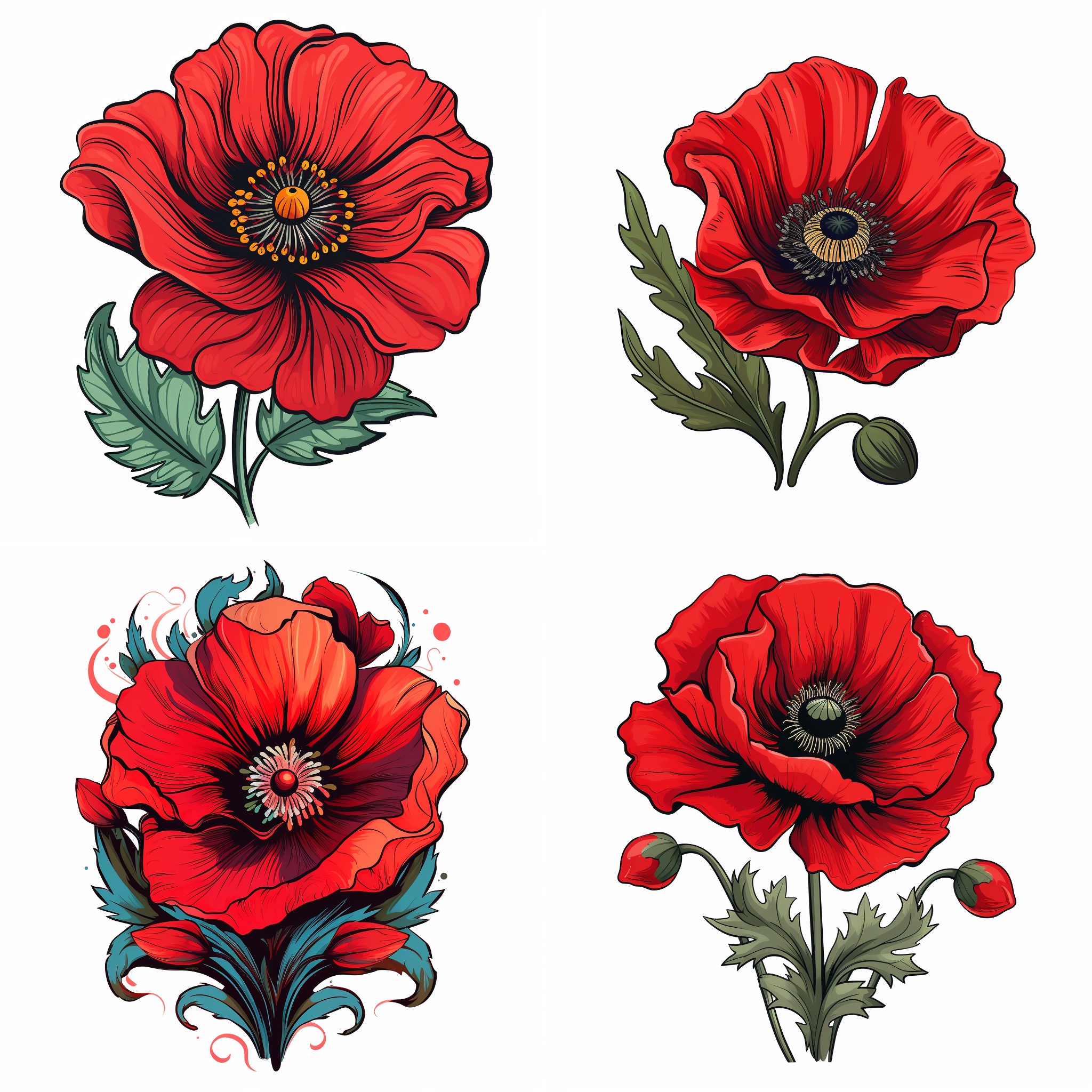
The red poppy is steeped in symbolism as a symbol of remembrance and respect for veterans, particularly those of World War I. However, the poppy is not bound by a single interpretation. To many, it represents a free spirit, an undying love for adventure, and a fiery, unbridled passion that refuses to be dimmed. Thus, a red poppy tattoo can be a bold statement of your lively spirit, a commemorative emblem, or a multi-faceted symbol intertwining various personal meanings.
>>> Click Here To Access Thousands of Printable Tattoo Designs <<<
Over 30,000 Amazing Tattoo Designs – Click Here Now
Click Here for awesome temporary tattoos.
Navigating Through Styles
- Realistic Poppy Tattoos:
- Symbolism: Beauty, elegance, and grace.
- Considerations: Choose an artist skilled in realistic representations and discuss the intricacies of shading and color use.
- Watercolor Poppy Tattoos:
- Symbolism: Creativity, imagination, and spontaneity.
- Considerations: Ensure using vibrant colors and an artist experienced in watercolor techniques to ensure longevity.
- Geometric Poppy Tattoos:
- Symbolism: Order, symmetry, and balance.
- Considerations: Discuss design complexity and symmetry with your artist.
- Minimalist Poppy Tattoos:
- Symbolism: Purity, innocence, and humility.
- Considerations: Opt for a design that maintains clarity and recognizability even in its simplicity.
Crafting a Personal Connection
While the classic symbolisms of poppy tattoos have their place, your ink can resonate more deeply when melded with personal elements. Consider integrating initials, important dates, or other symbols that weave your unique story into the tattoo. Moreover, your tattoo’s placement can also carry meaning, whether it’s close to your heart or on a limb that signifies strength or direction.
Selecting a Tattoo Artist
Choosing the right artist is paramount to ensuring your tattoo looks splendid and stands the test of time. Look for an artist with a portfolio that resonates with your desired style, and ensure they adhere to all health and safety standards. Engage in a dialogue about your design, and don’t be afraid to discuss modifications to ensure they align with your vision.
Aftercare and Preservation
A tattoo is an investment in your self-expression, and as such, it warrants meticulous care.
- Immediate Aftercare: Follow your artist’s instructions regarding cleaning and initial healing.
- Long-term Care: Protect your tattoo from excessive sun exposure and moisturize it to preserve vibrancy.
- Touch-ups: Consider occasional touch-ups to maintain the clarity and brightness of your design.
Conclusion
A red poppy tattoo is a vibrant and meaningful choice, its petals harboring the potential to unveil layers of personal and traditional symbolisms. Whether it’s a nod to history, a declaration of your spirited personality, or a personal memorial, ensuring the design, style, and artist align with your vision will result in a piece you’ll cherish forever. Embrace the journey from conceptualization to realization, and wear your poppy with pride and personal significance.
Aster Tattoo
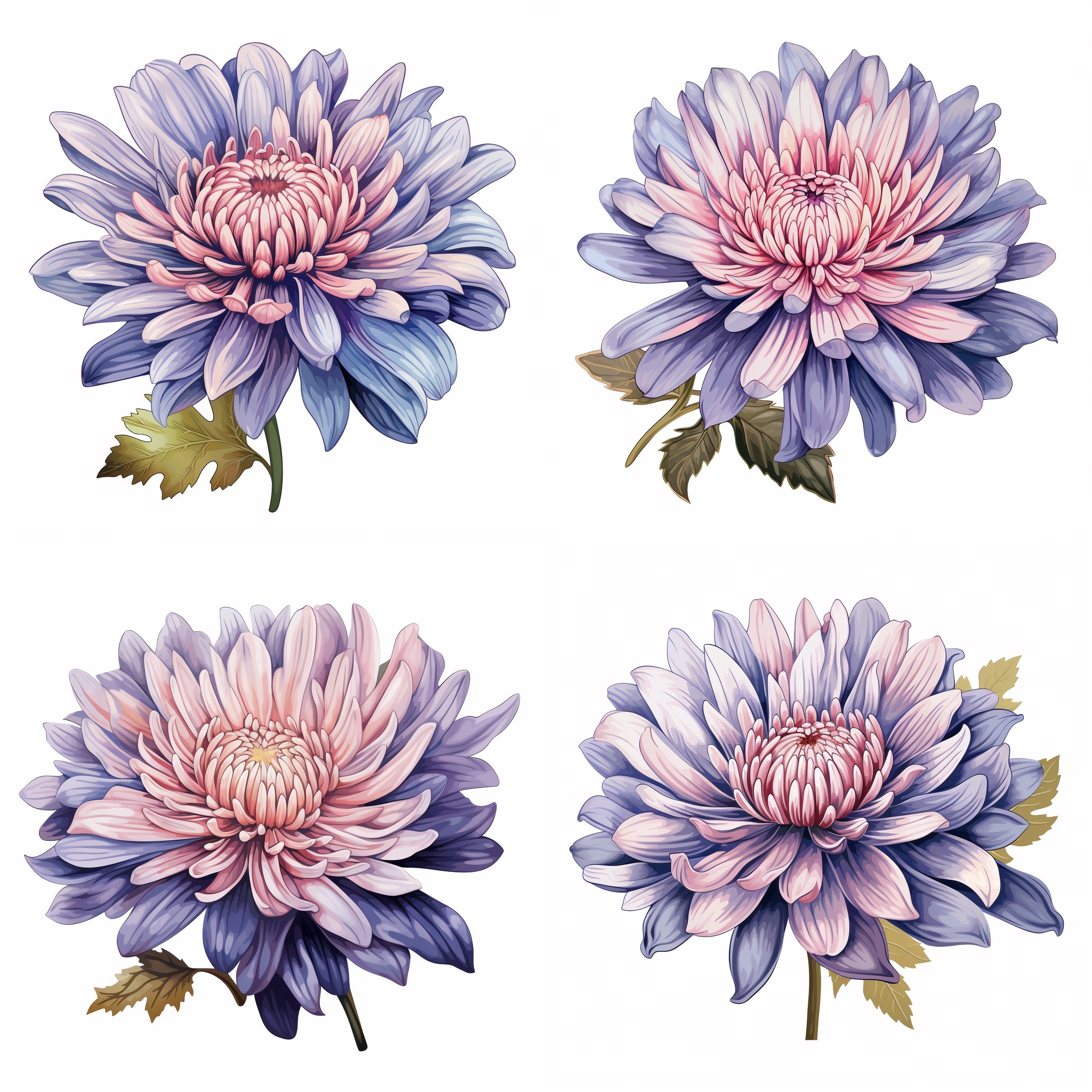
A delicate petal falling from an aster flower carries a whisper of ancient tales, emotional symbolism, and a rich palette of vibrant meanings. Aster tattoos have perennially engraved not just the skin but also the poignant narratives that bloom from one’s inner self. Whether you’re exploring tattoo options or are enchanted by the aster’s symbolism, let’s meander through the alluring garden of aster flower tattoos and uncover their deep-rooted meanings, historical significance, and varied designs.
Aster Flower Tattoo Meaning
The aster, a mesmerizing wildflower, has been admired across centuries and cultures, from the ancient Greeks to the Native Americans. It was once believed that the scent of aster flowers could ward off evil spirits, and in another lore, they were a symbol of the gods. Embedded in various cultures, aster flowers embody meanings of love, wisdom, and patience, often reflecting the duality of beauty and underlying strength.
In healing and medicine, asters were once utilized for their believed therapeutic properties, offering a link between the physical and spiritual worlds. They were thought to bring luck, serenity, and prosperity to those who nurtured them.
>>> Click Here To Access Thousands of Printable Tattoo Designs <<<
Over 30,000 Amazing Tattoo Designs – Click Here Now
Click Here for awesome temporary tattoos
Blooming in September: Aster as a Birth Month Flower
For those born in the embrace of September, the aster is your birth flower, symbolizing a powerful connection between the earthly and celestial. It is said to represent patience, elegance, and a prosperous life.
Asters, especially as tattoos, can be a personal homage to one’s birth month, embodying not only the characteristics of those born in September but also manifesting wishes and blessings for prosperity, wisdom, and love.
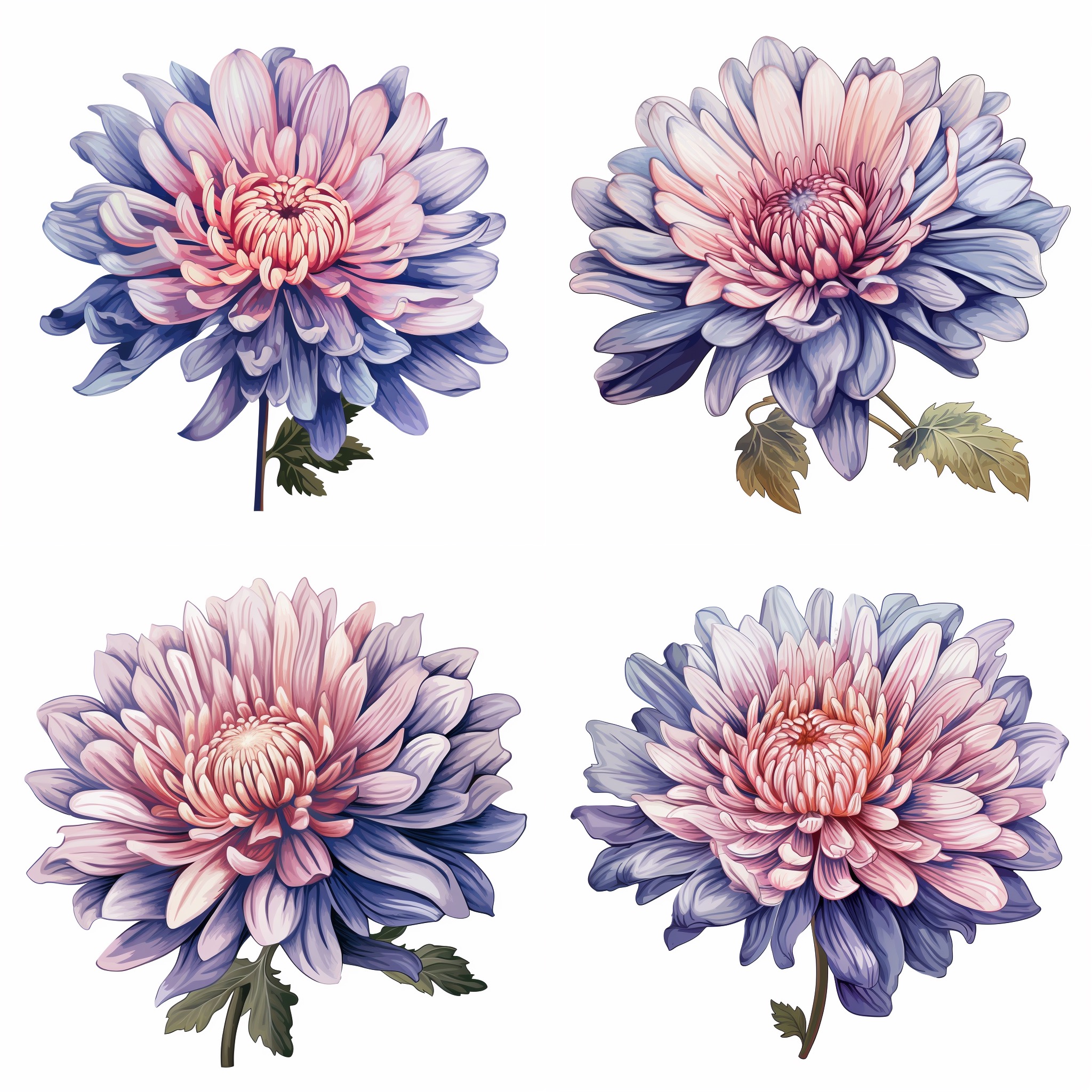
A Garden of Meanings: The Symbolism of Aster Tattoos
Asters in tattoo artistry are more than mere decorations; they are storytellers, their meanings blossoming in various colors and forms:
- General Symbolism: Love, new beginnings, and eternal friendship.
- Colorful Expressions:
- Blue Asters: Denote peace and loyalty.
- Pink Asters: Symbolize sensitivity and love.
- Yellow Asters: Express strength and vitality.
Creative Blossoms: Aster Tattoo Design Ideas
The canvas of aster tattoo designs is as boundless as your imagination:
- Classic Elegance: A single aster flower, symbolizing unadulterated beauty and purity.
- Bouquet of Blessings: A bouquet of asters, perhaps mingling with other significant flowers, denoting a garden of varied emotions and symbolisms.
- Fluttering Companions: Asters with butterflies, symbolizing transformation and new beginnings.
- Monochromatic Magic: Black and white aster tattoos offer a timeless and elegant aesthetic.
Planting the Seed: Tips Before You Ink
Embarking on your tattoo journey requires careful thought and preparation:
- Artist Research: Seek an artist whose style resonates with your vision.
- Design Consideration: Be sure of your design, size, and placement.
- Aftercare: Follow all aftercare instructions to ensure a healthy healing process and preserve your tattoo’s vibrancy.
Conclusion:
Aster flower tattoos weave a tapestry that intertwines personal stories with timeless symbolisms, providing a delicate yet potent means of self-expression. Whether you’re commemorating a September birth, celebrating a 20th wedding anniversary, or enamored by its multifaceted meanings, an aster tattoo blooms eternal on your skin, a perpetual reminder of strength, love, and elegance that transcends time.
Christmas Tattoo Ideas
 Embark on a festive journey that intertwines Christmas’s joyous spirit with body art’s profound expressiveness. Christmas tattoos, an enthralling blend of timeless symbols and contemporary design, invite you to carry the warmth, unity, and enchantment of the holiday season with you, not just in December but all year round. From the playful mischief of gingerbread men to the serene symbolism of the Star of Bethlehem, these tattoos encapsulate myriad meanings, emotions, and memories within their intricate strokes and vibrant colors.
Whether you’re seeking to commemorate cherished holiday moments, express a deep-seated love for wintry narratives, or immerse yourself in the merry whimsy of the season, a Christmas tattoo offers a splendid canvas to etch these sentiments into your skin. Let’s explore the world where festive symbolism, personal significance, and artistic flair converge, guiding you toward finding a design that resonates with your holiday spirit and stories, forever linking the magical charm of Christmas to your tapestry of expression.

Christmas Tattoo Ideas
Classic Symbols & Their Meanings
- Christmas Tree: Symbolizing life and vitality during the winter season.
- Snowflakes: Representing the beauty and uniqueness of each individual.
- Stars: Signifying hope, guidance, and the celestial phenomenon of the Star of Bethlehem.
- Wreath: Embodying eternity and the continuous cycle of seasons.
- Candles: Symbolizing light in the darkness and hope.

Characters & Iconic Figures
- Santa Claus: Depicting cheer and generosity.
- Rudolph: A symbol of uniqueness and leadership.
- Snowman: Representing joy, playfulness, and transient beauty.
- The Grinch: A reminder of the true spirit of Christmas and personal transformation.
- Angels: Symbolizing protection, guidance, and spirituality.
Culinary Inspirations
- Gingerbread Man: Representing fun, creativity, and holiday traditions.
- Candy Canes: Symbolizing shepherd’s crooks and sweetness.
- Christmas Pudding: An emblem of sharing, togetherness, and indulgence.
- Hot Cocoa Mug: Representing warmth, comfort, and coziness.

Nature-Inspired Designs
- Holly Leaves: Symbolizing protection and good luck.
- Mistletoe: Representing love, affection, and ancient druidic traditions.
- Poinsettia: Emblematic of good cheer and celebration.

Christmas Movie & Story Characters
- Ebenezer Scrooge: A symbol of transformation and redemption.
- Kevin McCallister (Home Alone): Representing mischief, bravery, and childlike joy.
- Jack Skellington (The Nightmare Before Christmas): A blend of Christmas and Halloween spirits.
Conceptual & Abstract Ideas
- Inscription of a Favorite Christmas Quote: Enshrining cherished sentiments.
- Christmas Ornament with a Personal Date: Commemorating a special holiday memory.
- Snow Globe: Encapsulating a cherished scene or memory.
- Christmas Light Garland: Symbolizing brightness, joy, and decoration.
Religious & Spiritual Symbols
- Nativity Scene: Representing the birth of Jesus and the essence of Christmas.
- Three Wise Men: Symbolizing wisdom, journey, and gifts.
- Cross with Christmas Decor: A blend of faith and festive celebration.
Playful & Fantasy Elements
- Santa’s Sleigh: Representing gift-giving and worldwide joy.
- Elves: Emblematic of helpfulness, mischief, and workshop wonders.
- Nutcracker: Symbolizing protection and historical holiday performances.
Cozy & Homely Elements
- Fireplace with Stockings: Signifying warmth, family, and gift expectations.
- Ugly Christmas Sweater Design: A fun, light-hearted, and nostalgic symbol.

Animal-Inspired Designs
- Penguins: Representing togetherness and the chilly holiday season.
- Polar Bears: Symbolizing strength and the winter season.
- Cardinals: Representing loved ones who are no longer with us.
Collaborative Tattoos (for Friends and family)
- Matching Santa & Mrs. Claus: Representing partnership and festive roles.
- Split Design of a Christmas Scene: It forms a complete picture together.
- Complementary Christmas Lights: Each person holding a section of the string.
Celebrating Timeless Joy with a Christmas Tattoo
Embarking upon a journey through the possibilities for Christmas tattoos, we’ve explored various designs, from classic symbols and iconic characters to conceptual and collaborative ideas. These tattoos become more than mere adornments; they are perennial symbols of the joys, memories, and meanings derived from the festive season, etched forever in the canvas of our skin. Whether it’s the playful charm of a gingerbread man, the spiritual symbolism of the Star of Bethlehem, or a heartfelt tribute to a beloved Christmas movie character, each tattoo tells a story — a personal narrative of Yuletide sentiments that can be cherished year-round.
Choosing to immortalize a piece of the Christmas spirit on your body is a testament to your love for the season and a perpetual reminder of the values it stands for unity, love, generosity, and hope. It is a timeless commitment, intertwining personal experiences with the universal charm of holiday celebrations. As you select a design that resonates with your Christmas story, may it serve as a constant beacon of the festive joy and profound meanings the season imparts upon us all. Here’s to celebrating Christmas in a way that is immutably special, deeply personal, and, quite literally, skin-deep.
8 Best Lotions for Tattoo Aftercare: What is the Best for a New Tattoo?
What to use for tattoo aftercare can feel like venturing through a vast labyrinth. With many options, each boasting a unique blend of ingredients and benefits, finding the best lotion for your needs can be daunting. Yet, the right moisturizer is essential for nourishing the skin and addressing specific concerns, be it dryness, aging, or sensitivity. Whether you’re a skincare aficionado or a novice just beginning your journey, this guide aims to simplify the quest and help you uncover that ideal lotion tailored to your skin’s unique story. Let’s embark on this journey to radiant, well-moisturized skin together.
What Kind of Lotion is Good for Tattoos?
Click here for my favorite tattoo lotion that keeps my skin hydrated
- Hydrating & Moisturizing: Fresh tattoos need consistent moisture to prevent dryness, flaking, and scabbing. A lotion that provides hydration ensures the tattooed area remains supple, speeding up the healing process.
- Gentleness: The last thing a new tattoo needs is further irritation. Gentle lotions, especially fragrance-free ones, minimize the risk of adverse reactions and infections.
- Natural Ingredients: Ingredients like coconut oil, shea butter, and olive oil are natural and renowned for their nourishing and protective qualities. They create a protective barrier, ensuring the skin remains moisturized while also providing essential nutrients.
- Anti-inflammatory and antibacterial Properties: The initial days post-inking can come with swelling, redness, and itching. Lotions with anti-inflammatory properties help reduce these symptoms, while antibacterial ingredients prevent potential infections.
- Color-enhancing and brightening Effects: Tattoos can lose their vibrancy over time. Some lotions come with ingredients that enhance the tattoo’s color and brightness, ensuring your artwork looks fresh and vibrant for a more extended period.

Best Lotion for New Tattoo: Mad Rabbit Replenish Body Lotion
Best Lotion for Tattoos Table
| Product Name | Description | Pros | Cons | ||
|---|---|---|---|---|---|
| Tattoo Goo Tattoo Care Lotion | A gentle and effective lotion that soothes and moisturizes new tattoos. | Recommended by a lot of tattoo artists, it prevents scabbing and infection and is affordable. Best lotion for healing a tattoo | Can be greasy and sticky, may clog pores if applied too thickly. | ||
| CeraVe Healing Moisturizer | A hydrating ointment that protects and heals tattooed skin. | Fragrance-free and paraben-free, it contains microcrystalline wax and dimethicone to seal in moisture. | May leave a white residue on dark skin tones. | ||
| Aveeno Daily Moisturizing Lotion | A lightweight lotion that nourishes and hydrates new tattoos. | Fragrance-free, contains glycerin and petrolatum to prevent irritation and dryness, affordable. | May not be moisturizing enough for very dry skin | ||
| Tattoo Goo Original Aftercare Salve | A cult-favorite tattoo salve that helps heal and protect new ink. | Easy to apply, nongreasy, contains olive oil, beeswax, and cocoa butter to soothe and moisturize. | May contain allergens such as lanolin and lavender oil, may stain clothing or bedding. | ||
| Hustle Butter Deluxe | A tattoo-specific lotion that feels great on new tattoos. | Made with natural ingredients such as shea butter, mango butter, coconut oil, and aloe vera, anti-inflammatory, retains moisture. | May have a strong scent that some people may not like. |
What is the best lotion to put on a new tattoo? One that promotes healing while keeping your tattoo colors bright.
- Promotes Healing: A new tattoo is essentially a wound. Using the right moisturizer aids in the healing process, preventing unwanted scabbing and flaking.
- Prevents Infections: Keeping the tattooed area moisturized reduces the chances of it cracking and becoming susceptible to infections.
- Enhances Tattoo Appearance: A well-moisturized tattoo retains its vibrancy and clarity, making it look fresh and bright.
Excellent Lotions For Tattoo Aftercare

Aquaphor Healing Moisturizer
-
- A gentle ointment designed to soothe and moisturize freshly inked skin, ensuring your tattoo heals properly.
- Why It’s Great: Aquaphor is often recommended by tattoo artists because of its proven efficacy in preventing scabbing and potential infections. Plus, it’s budget-friendly, making it an accessible choice for many.

After Inked Tattoo Moisturizer & Lotion
-
-
-
- Tailored for keeping ink vibrant.
- Why It’s Great: Its blend of grape seed oil and jojoba oil nourishes the skin, promoting faster healing.
-
-
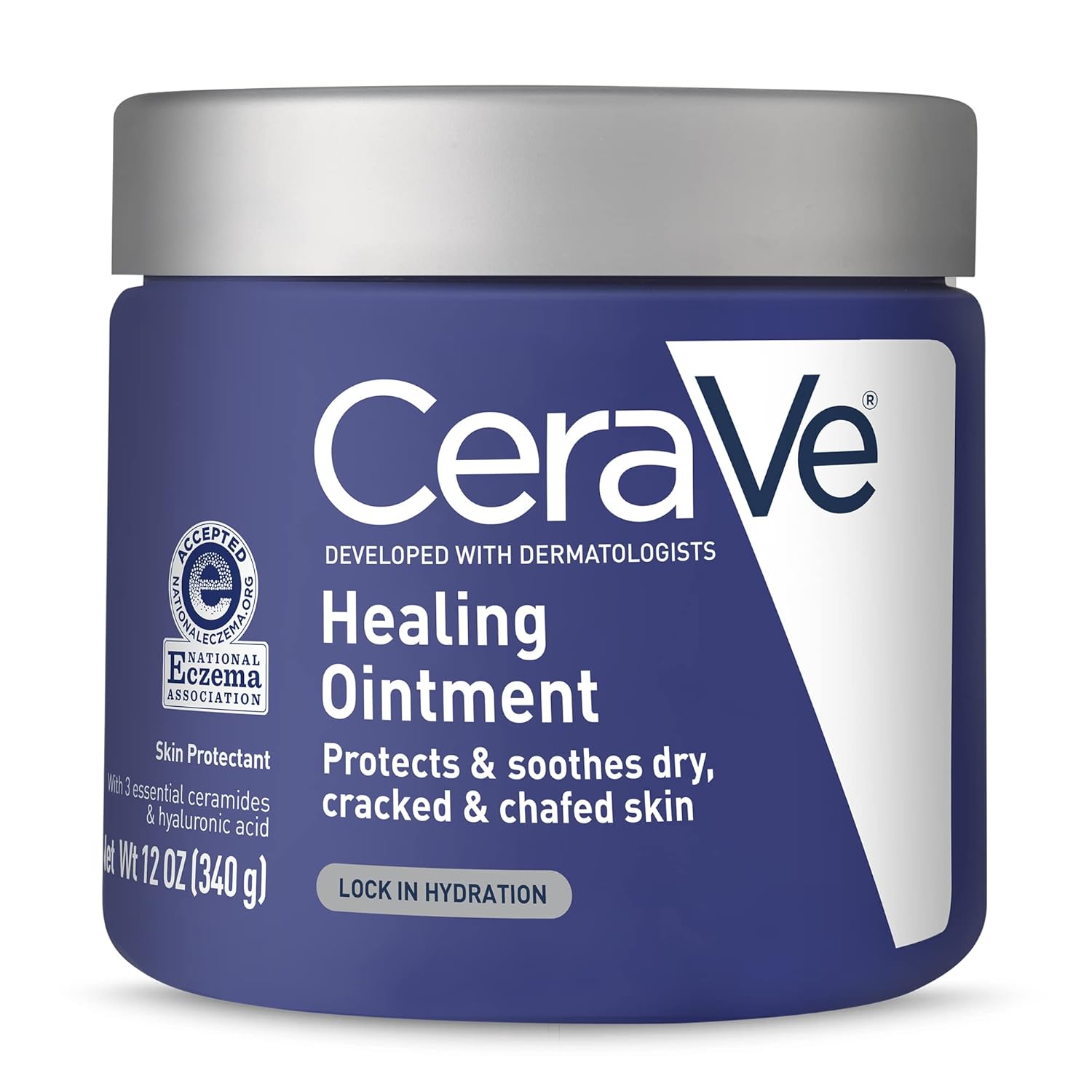 CeraVe Healing Ointment & Lotion
-
- A hydrating ointment tailored for tattooed skin.
- Why It’s Great: Fragrance-free and paraben-free, ensuring minimal irritation.

Aveeno Daily Moisturizing Lotion
-
- A lightweight lotion perfect for daily use.
- Why It’s Great: It contains glycerin and petrolatum, key ingredients for preventing skin irritation.
 Tattoo Goo Original Aftercare Salve & Lotion
-
- An excellent all in one package that includes an awesome lotion for a new tattoo, antimicrobial soap, and tattoo balm to promote healing, protection, and hydration. A cult-favorite among tattoo enthusiasts.
- Why It’s Great: Its blend of olive oil, beeswax, and cocoa butter offers a soothing experience.
 Hustle Butter Deluxe
-
- Specifically designed for tattoos.
- Why It’s Great: Comprises natural ingredients like shea butter and aloe vera, ensuring maximum hydration.

Lubriderm Daily Moisture Lotion
-
- A popular choice for tattoo aftercare.
- Why It’s Great: Its blend of glycerin and grape seed oil ensures your tattooed skin remains hydrated.
What to Look for in a Tattoo Lotion
- Hydrating Properties: Ensure the lotion is hydrating and lightweight. A good lotion should penetrate the skin without leaving a greasy residue.
- Moisturizing Ingredients: Aloe vera, vitamin E, and coconut oil, are known for their moisturizing properties. These ingredients can help keep your tattoo moisturized and promote healing.
- Non-comedogenic: This means the lotion won’t clog your pores. It’s crucial, especially if you have acne-prone or sensitive skin.
- Fragrance-Free: Fragrances can sometimes cause irritation or allergic reactions, especially on freshly tattooed skin. Opt for lotions that are free from artificial scents.
- Natural and Soothing Ingredients: Ingredients like shea butter or soothing plant extracts like chamomile can provide extra nourishment and comfort to your healing skin.
Aftercare Products to Avoid
- Harsh Chemicals: Some lotions contain ingredients that might irritate the skin, especially if it’s freshly inked. Read the ingredients list and avoid lotions with alcohol, sulfates, or other potential irritants.
- Strong Scents: A strong scent might be off-putting even if a lotion doesn’t cause an allergic reaction. Remember, you’ll be applying this lotion multiple times a day.
- Very Thick Creams: While you want a lotion that moisturizes, very thick creams can suffocate the skin, slowing the healing process.
When To Start Using Lotion on a Tattoo
After getting inked, one of the first questions many people have is, “When can I start applying lotion to my new tattoo?” Proper aftercare is really important for the healing and longevity of your tattoo, and using lotion at the right time plays a critical role in this process.
Why Wait Before Applying Lotion?
Freshly tattooed skin is essentially an open wound. The tattoo may still ooze a mixture of ink, blood, and plasma during the initial days. Applying lotion too early can trap these fluids against the skin, potentially leading to infections or complications in the healing process.
Steps for Proper Aftercare
- Wait for the Tattoo to Dry: The immediate days post-inking are crucial. The tattoo ink can remain wet for the first 48 hours or so. Letting the tattoo breathe and dry out naturally during this period is essential.
- Clean the Tattoo: As part of your aftercare regimen, gently clean your tattoo with a fragrance-free, antibacterial soap (read more here on the best soap for tattoos). This helps remove any accumulated fluids and keeps the tattooed area clean.
- Apply Lotion When It Begins to Itch: Typically, by the third day, the tattooed skin starts to feel tight and may begin to itch. This indicates that the skin is drying out and could benefit from hydration.
Tips for Using Lotion
- Choose the Right Lotion: Not all lotions are created equal. Opt for a fragrance-free, hypoallergenic lotion. Avoid products that are made with alcohol, as they can dry out the tattoo.
- Use Sparingly: When you start applying, use the lotion sparingly. A thin layer is all you need. Over-moisturizing can suffocate the skin and hinder the healing process.
- Massage Gently: When applying, gently massage the lotion into the skin until it’s fully absorbed.
How Often To Lotion a New Tattoo
- Start Right Away: It’s recommended to moisturize your tattoo immediately after getting it. This prevents the tattoo from drying out and aids overall healing.
- Frequency: During the initial healing phase, it’s essential to moisturize your tattoo three to six times a day. This frequent moisturizing helps maintain the color vibrancy and accelerates healing.
- Duration: Continue this routine for the entire healing period, which typically lasts around three weeks
Final Thoughts on Finding The Right Tattoo Lotion
While the specifics of the lotion—brand, price, or popularity—might vary, the essential qualities remain consistent. If you need a good numbing cream, please check here. Furthermore, always patch-test any product on a small skin area before applying it to your tattoo. Your tattoo is a lifelong commitment; treat it as such!
- Tattoo Aftercare Help: The Complete Healing Guide for New Ink
- How Professional Tattoo Artists Prevent Infections (and What You Should Do If One Happens)
- Birth Flowers Chart by Month
- Aurora Borealis Tattoo
- How Printable Tattoo Stencils Work (and How to Make Your Own from Any Design)
- Arm Swollen After a Tattoo? What You Need to Know
- Tattoo Aftercare: How to Reduce Tattoo Swelling & Discomfort
- Tattoo Aftercare Products & How They Fit Into Caring for Your Tattoo
- How To Brighten a Tattoo
- American Traditional Tattoo Style
- Flowers (7)
- Halloween (5)
- Uncategorized (95)