Tattoo Aftercare Help: The Complete Healing Guide for New Ink
A great tattoo is half the work — the other half is what happens in the days and weeks after you leave the chair. Proper tattoo aftercare determines whether your ink heals crisp and vibrant or scabs, fades, and needs touch-ups. The good news: aftercare isn’t complicated. It just requires the right products, the right timing, and avoiding the handful of mistakes that cause most healing problems.
This guide walks you through every stage of tattoo healing — what to do on day one, what to use during the peeling phase, when to switch products, and how to protect your tattoo for the rest of your life. Each section links to our deeper guides on specific products and problems.
Key Takeaways
- Tattoo healing has four stages across roughly 4 weeks, each needing different care.
- The three essential products: fragrance-free tattoo soap, a healing ointment, and a moisturizing lotion.
- Most healing problems come from too much product, not too little.
- Sun is the #1 long-term enemy of tattoo vibrancy — protect with sunscreen for life.
- For specific healing issues, see our guides on reducing tattoo swelling and arm swelling after a tattoo.
Why Tattoo Aftercare Matters
A fresh tattoo is an open wound. A tattoo needle punctures your skin between 50 and 3,000 times per minute, depositing ink into the dermis (the second layer of skin). Your body treats this exactly like any other injury — it floods the area with fluid, immune cells, and clotting factors to start healing.
How you treat that wound over the next 2 to 4 weeks determines:
- Whether the ink stays locked in the dermis or lifts out with scabs
- How sharp your line work looks once healing finishes
- Whether colors stay vibrant or fade unevenly
- Whether the area scars, gets infected, or develops moisture rash
Good aftercare costs maybe $30 in products and 5 minutes a day. Touch-ups, scar revisions, and infections cost hundreds — and sometimes the original tattoo can’t be fully recovered. It’s worth getting right the first time.
Click here for my favorite all-in-one tattoo aftercare kit
The 4 Stages of Tattoo Healing
Tattoo healing isn’t one continuous process — it’s four distinct stages, each with different needs. Treating a day-12 tattoo like a day-2 tattoo (or vice versa) is the most common aftercare mistake.
| Stage | Days | What’s Happening | What to Use |
|---|---|---|---|
| 1. Oozing & Swelling | Days 1–3 | Plasma weeping, swelling, redness, warmth | Gentle soap + thin ointment |
| 2. Scabbing & Tightness | Days 4–6 | Light scabbing forms, swelling subsides | Soap + ointment or light lotion |
| 3. Peeling & Itching | Days 7–14 | Heavy flaking, intense itch (“snake skin”) | Fragrance-free tattoo lotion |
| 4. Deep Healing | Days 15–30+ | Shiny “milky” look as dermis heals | Daily moisturizer + sunscreen |
Stage 1: The First 72 Hours (Oozing & Swelling)
The first three days are the most critical. Your tattoo is an open wound, your body is in full inflammatory mode, and small mistakes here cause the biggest long-term problems.
Day-One Checklist
- Leave the initial wrap on for whatever time your artist recommends (usually 2–4 hours for plastic, 3–5 days for second-skin bandages like Saniderm).
- Wash hands thoroughly before touching the tattoo — every time, no exceptions.
- Gently wash with lukewarm water and a fragrance-free tattoo-safe soap 2–3 times a day.
- Pat dry with a clean paper towel — never a regular towel, which carries bacteria.
- Apply a thin layer of healing ointment — the tattoo should have a slight sheen, not a greasy coating.
Managing Swelling (It’s Normal)
Swelling is your body’s normal inflammatory response — it’s not a problem on its own. But you can speed up recovery by elevating the area, applying a cold compress over the bandage (never directly on the tattoo), drinking plenty of water, and avoiding alcohol and heavy exercise for 48 hours.
If your tattoo is on an arm and swelling seems excessive, see our complete guide on arm swollen after a tattoo. For full swelling reduction tactics covering every body location, see how to reduce tattoo swelling.
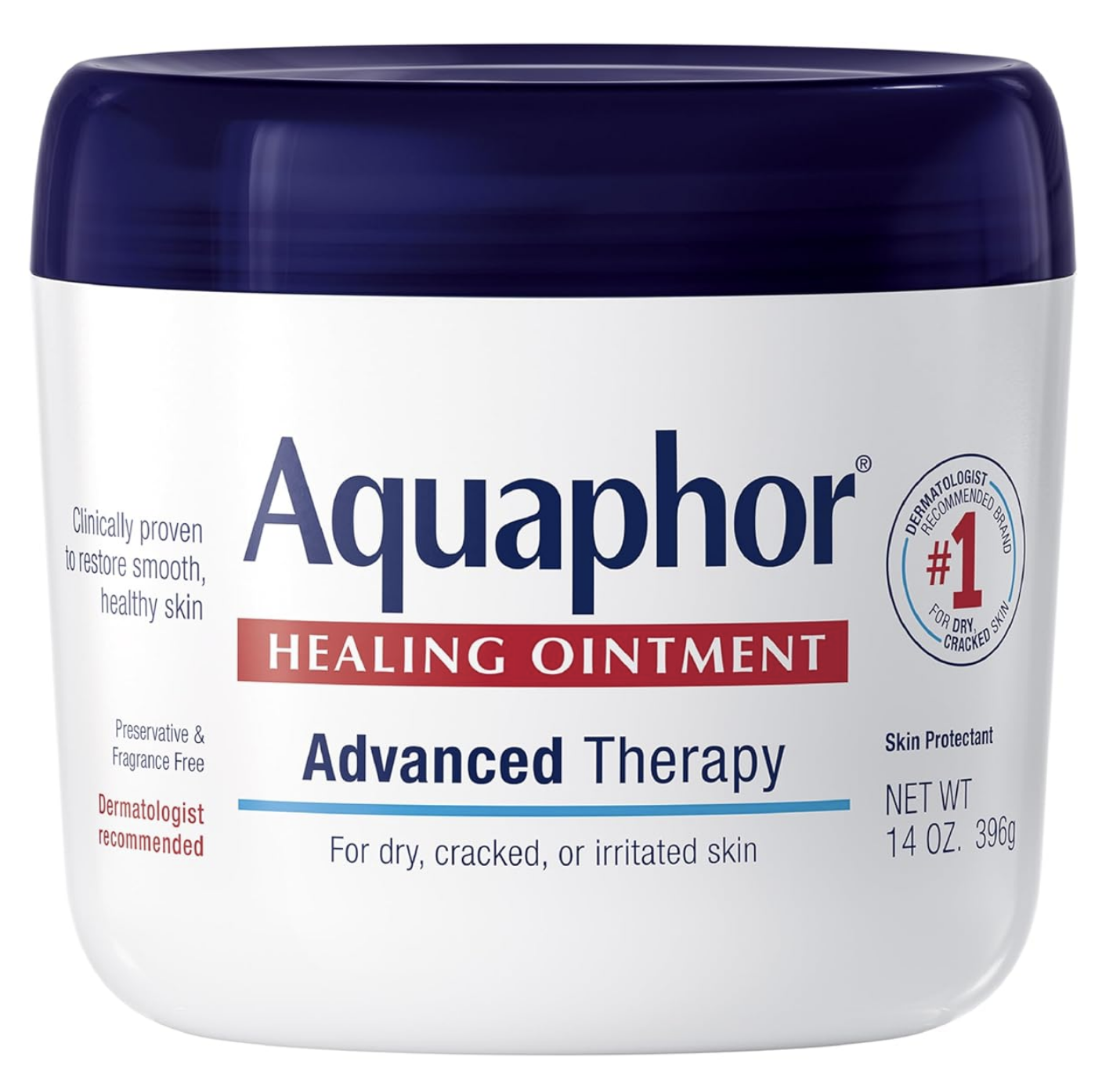
Aquaphor Healing Ointment on Amazon
Stage 2: Days 4–6 (Scabbing & Tightness)
By day 4, the major weeping and swelling should be subsiding. Light scabbing forms over the tattoo as the skin starts to close. The area will feel tight, possibly itchy, and may look slightly darker or duller than it did when fresh — this is normal and temporary.
What to Do
- Continue washing 2–3 times a day with gentle soap
- Switch from heavy ointment to a lighter application — too much during this stage suffocates the new skin
- Start transitioning to a fragrance-free tattoo lotion designed for new tattoos if the area feels less raw
- Avoid soaking in baths, pools, or hot tubs
- Keep wearing loose clothing over the tattoo
What NOT to Do
- Don’t pick at scabs — this pulls ink out with the scab, leaving patchy spots
- Don’t apply too much product — heavy coatings during scabbing trap bacteria
- Don’t go to the gym — sweat carries bacteria and irritates healing skin
Stage 3: Days 7–14 (Peeling & Itching)
This is the phase that surprises most first-timers. Your tattoo will start flaking off in sheets — sometimes ink-colored sheets, which can be alarming until you realize it’s just dead skin that absorbed ink from the surface. The real ink is safely in the dermis below, and it’s not going anywhere.
The itching during this stage can be intense. This is where most healing damage happens, because people scratch — and scratching pulls ink out with the flaking skin.
How to Get Through the Peeling Phase
- Apply fragrance-free tattoo lotion 2–4 times a day to keep skin hydrated
- When it itches, slap the area gently with a flat palm — never scratch with nails
- Apply extra lotion if itching gets intense
- Let dead skin fall off on its own — never peel or pick
- Keep washing daily, but stop using heavy ointment (it’s too rich for this stage)
Stage 4: Days 15–30+ (Deep Healing)
By the third week, the surface of the tattoo looks healed — but underneath, your body is still rebuilding deeper layers of skin. The tattoo may look slightly cloudy or “milky” for several weeks. This is the dermis healing under a thin layer of new skin and is completely normal. The true colors emerge fully by week 4 to 6.
Daily Care During Deep Healing
- Apply a daily fragrance-free moisturizer
- Start using a dedicated tattoo-safe sunscreen any time the tattoo will be exposed to sun
- You can now return to normal activities — gym, swimming, baths
- If the tattoo looks dull at this stage, don’t panic — that’s the cloudy-skin phase, not actual fading
The Essential Tattoo Aftercare Product Lineup
You don’t need a 12-product routine. You need three quality items, plus sunscreen for life.
1. Fragrance-Free Antibacterial Soap
The foundation of aftercare. You’ll use this from day one through full healing, two to three times a day. Avoid anything scented, anything labeled “moisturizing” with floral additives, and anything with harsh sulfates. Tattoo Goo’s antimicrobial soap, Dr. Bronner’s unscented baby castile, and Hustle Butter’s tattoo soap are all reliable choices. For full reviews, see our guide to the best soaps for tattoos.
2. Healing Ointment (Days 1–5)
For the first few days, an ointment provides occlusive protection while letting the tattoo breathe. Aquaphor is the gold standard, used by most tattoo artists. Apply in a thin layer — the most common mistake is using too much.
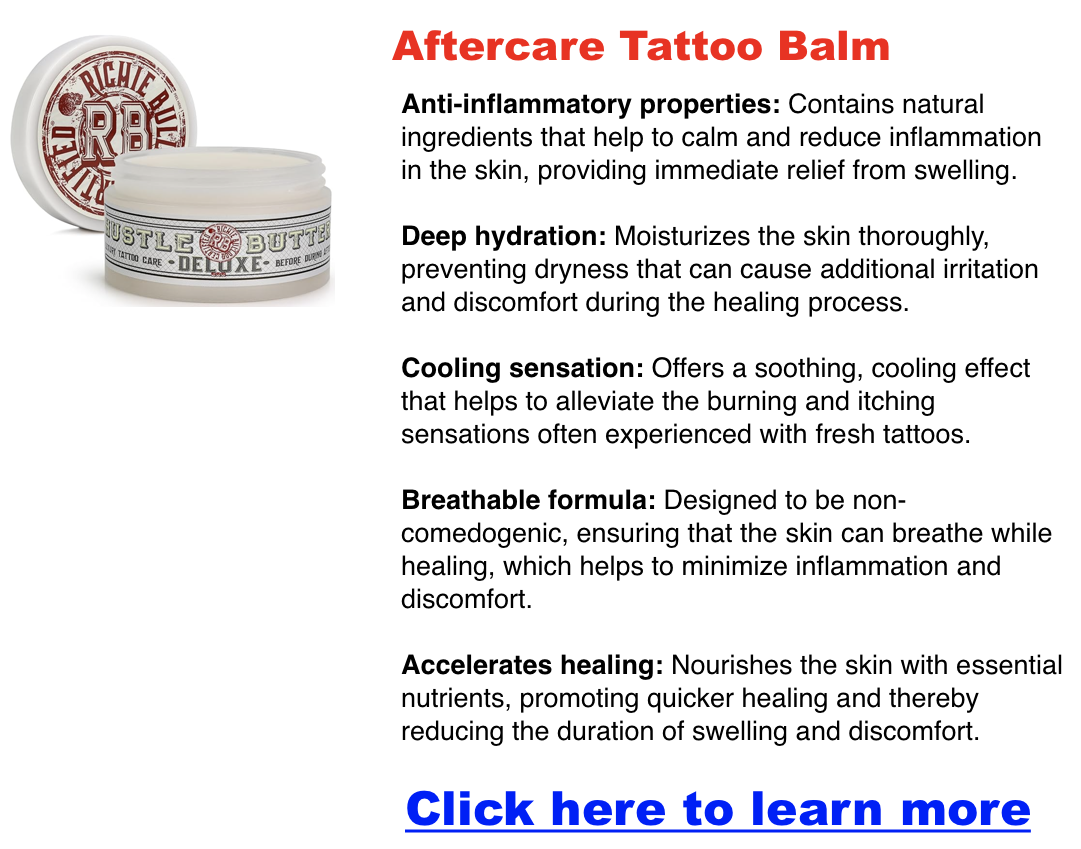
3. Fragrance-Free Tattoo Lotion (Days 5+)
Once scabbing starts, switch from ointment to a lighter lotion. The lotion you choose matters: cheap drugstore options often contain fragrances or harsh ingredients that fade tattoos. See our deep dives on the best lotions for new tattoos and the best overall tattoo lotions for older and healed ink.
4. Tattoo-Safe Sunscreen (For Life)
Sun is the #1 cause of tattoo fading. UV rays break down pigment over years, turning sharp black lines into blurry grey and bright colors into muddy washes. A mineral SPF 30+ applied any time your tattoo will be exposed makes a dramatic difference over the lifetime of your ink. See our breakdown of the best sunscreens for tattoos.
What About Numbing Cream?
Numbing cream isn’t strictly aftercare — it’s used before a tattoo session to dramatically reduce pain during the appointment. But it’s worth understanding for two reasons: less pain means less body trauma response, which often means less swelling and faster healing afterward; and for long sessions or sensitive areas, it makes the difference between sitting still and flinching (which affects line quality).
Lidocaine-based creams applied 60–90 minutes before your appointment can numb the area for 2–4 hours. See our full breakdown of the best tattoo numbing creams for product recommendations and proper use.
Common Aftercare Mistakes That Wreck Tattoos
- Using too much ointment. A thick coating suffocates the skin and traps bacteria. Thin layer only.
- Picking at scabs. The fastest way to ruin a tattoo before it even finishes healing.
- Scratching during the itchy phase. Same outcome as picking scabs. Slap or moisturize instead.
- Soaking in baths, pools, or hot tubs. Submersion in standing water is an infection risk for at least 2 weeks.
- Sun exposure on a fresh tattoo. The single worst thing for a healing tattoo. Cover it completely until fully healed.
- Skipping sunscreen long-term. The reason your friend’s 5-year-old tattoo looks like a 20-year-old tattoo.
- Using scented lotions. Fragrances and dyes can cause irritation, contact dermatitis, and pigment fading.
- Working out too soon. Sweat and friction during the first week dramatically raise infection risk.
When to Worry: Signs of Infection or Reaction
Most tattoos heal without any drama. But these signs mean it’s time to call a doctor, not just your tattoo artist:
- Swelling that increases after day 3 instead of decreasing
- Red streaks spreading away from the tattoo
- Yellow or green pus (clear plasma in the first 48 hours is normal)
- Fever, chills, or feeling unwell
- Hot, hard, painful lumps under the skin
- Foul odor from the tattoo
- Hives or a bumpy rash spreading beyond the tattoo (possible ink allergy)
For more on how professionals minimize these risks from the start, see our guide on how professional tattoo artists prevent infections.
Long-Term Tattoo Care: Years Down the Road
Aftercare doesn’t stop when the peeling does. The tattoos that still look sharp 10 years later belong to people who do four simple things consistently:
- Sunscreen every time. SPF 30+ minimum, mineral preferred, every exposure.
- Moisturize daily. Hydrated skin makes ink look richer and slows the appearance of fading.
- Avoid harsh exfoliants over tattooed skin. Gentle exfoliation is fine; aggressive scrubs slowly thin the skin over years.
- Schedule touch-ups when needed. Most reputable artists offer free or low-cost touch-ups within the first few months.
If you’re already looking at older ink wondering what happened, see why your tattoo looks faded and our practical guide on how to brighten a faded tattoo.
Frequently Asked Questions
How long does a tattoo take to heal?
The surface of a tattoo heals in about 2–3 weeks, but full healing of the deeper skin layers takes 4–6 weeks. Larger or more detailed tattoos can take longer.
What’s the best thing to put on a new tattoo?
For the first few days, a thin layer of fragrance-free healing ointment like Aquaphor. After scabbing starts (around day 5), switch to a fragrance-free tattoo lotion. Skip anything scented, anything heavily moisturizing, and anything containing petroleum jelly as the main ingredient long-term.
Can I shower with a new tattoo?
Yes — short, lukewarm showers are fine starting day one. Don’t let the shower stream hit the tattoo directly, don’t scrub it, and don’t soak it. Baths, pools, and hot tubs are off-limits for at least 2 weeks.
How often should I moisturize a new tattoo?
2–4 times a day during active healing (weeks 1–3). Apply just enough to give the skin a slight sheen — not a greasy coating. After full healing, once a day is plenty.
Is it normal for a tattoo to look faded while healing?
Yes. During the peeling phase and for 1–2 weeks after, your tattoo may look cloudy, milky, or duller than it did fresh. This is dead skin and healing dermis on top of the actual ink. The true colors emerge fully by week 4 to 6.
Can I work out after getting a tattoo?
Skip the gym for at least 48 hours, longer for larger pieces. Sweat carries bacteria and increases infection risk, while friction and stretching can damage healing skin and disrupt ink retention.
When can I go in the sun with a new tattoo?
Keep a fresh tattoo completely out of direct sun for at least 2–4 weeks. After that, always use SPF 30+ sunscreen on the area — for life. Sun is the leading cause of tattoo fading.
Do I need special tattoo products or will regular lotion work?
Plain fragrance-free lotions can work in a pinch, but dedicated tattoo lotions are formulated without ingredients that cause fading (alcohol, fragrances, harsh preservatives) and often include healing-supportive ingredients like shea butter, panthenol, or vitamin E. The difference shows up over years, not weeks.
The Bottom Line
Good tattoo aftercare is simple: keep it clean with the right soap, keep it moisturized with the right product for each stage, protect it from the sun forever, and don’t pick or scratch. Do those four things and your tattoo will heal sharp, vibrant, and last decades looking like the day you got it.
For specific situations, dive deeper into our guides on reducing tattoo swelling, the best soaps for tattoos, the best lotions for new ink, and tattoo-safe sunscreens.
- Tattoo Aftercare Help: The Complete Healing Guide for New Ink
- How Professional Tattoo Artists Prevent Infections (and What You Should Do If One Happens)
- Birth Flowers Chart by Month
- Aurora Borealis Tattoo
- How Printable Tattoo Stencils Work (and How to Make Your Own from Any Design)
- Arm Swollen After a Tattoo? What You Need to Know
- Tattoo Aftercare: How to Reduce Tattoo Swelling & Discomfort
- Tattoo Aftercare Products & How They Fit Into Caring for Your Tattoo
- How To Brighten a Tattoo
- American Traditional Tattoo Style
- Flowers (7)
- Halloween (5)
- Uncategorized (95)